A modular event box tent serves double duty as a selling space and a function venue, which is why activation teams and outdoor retailers both spec it. The box envelope keeps the interior free of poles so a brand can drop in a stage, a product wall, or a checkout row without redesigning the frame. When the same unit closes as a modular cube tent style store, the transition is a matter of swapping wall panels rather than rebuilding. The repeatable bay system means the footprint scales from a kiosk to a flagship pop-up by adding 5 m sections.
Designing an Outdoor Store Around the Event Box
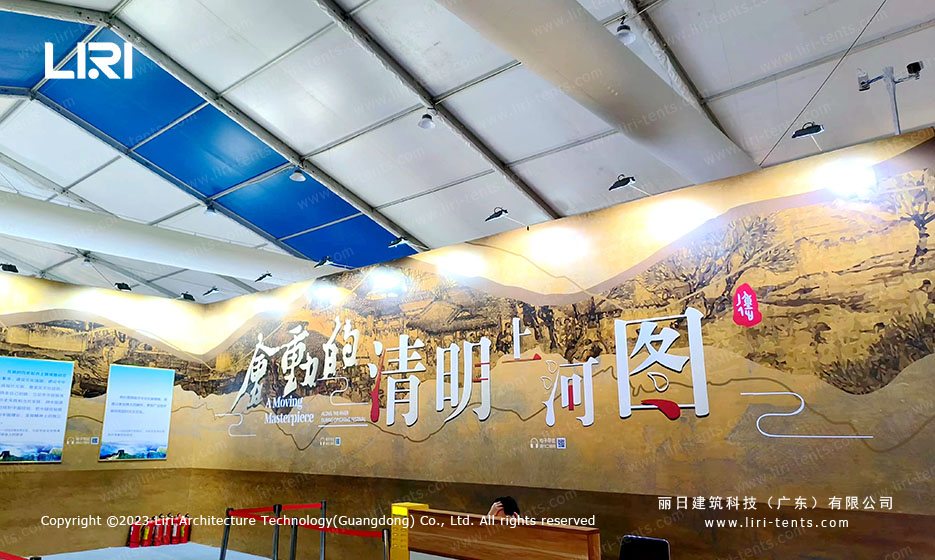
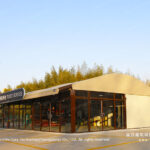
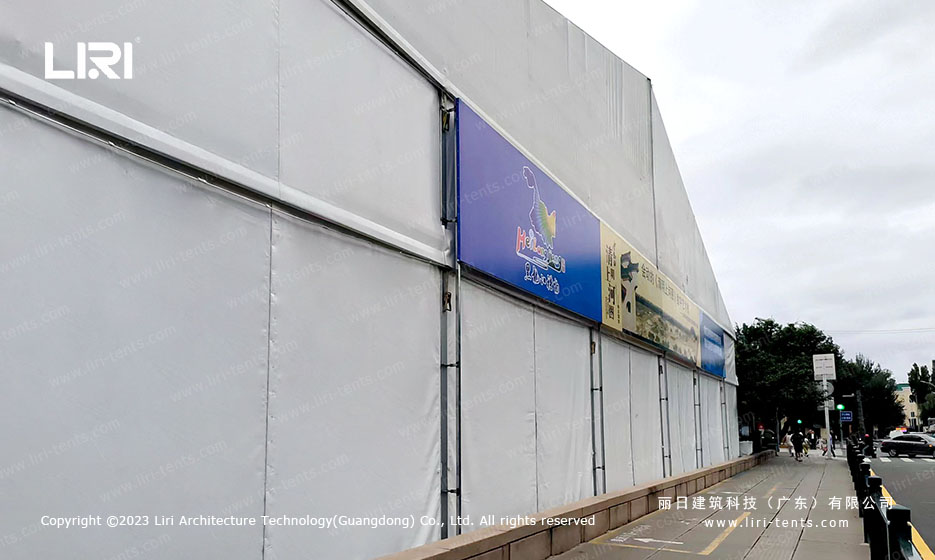
The event box reads as architecture because its vertical walls carry full glazing and printed graphics from floor to eave. A modular exhibition tent solution shares this DNA but favors open booths, so the store variant adds service counters and a wired gable for power. Front shutters roll up to invite foot traffic, then close to secure stock, which lets one structure run trade by day and lock down by night. Pairing it with a push pull warehouse tent behind the scenes keeps backstock within steps of the floor.
Lighting runs on a perimeter truss that clips to the frame, so the store stays bright without floor-standing towers eating selling space. The roof skin passes daylight through, which trims the electricity bill during long summer hours.
Frame Specification and Skin Options
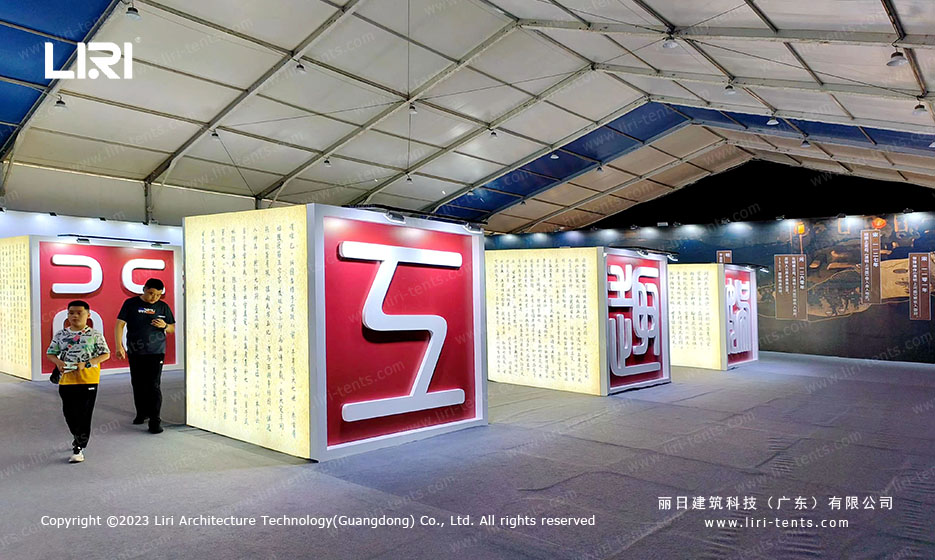
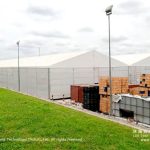
The extruded aluminum frame carries a hard anodized coat that resists corrosion on beach or city sites alike. Connectors are forged and tagged per bay, which keeps reassembly fast and error-free across tour stops. The PVC roof is lacquered, fire-rated, and UV-stable, while side skins come as glass, insulated sandwich, or printed mesh depending on the look the brand wants. A warehouse storage tent built on the identical bones shows how the skin performs across seasons of continuous use.
Climate control clips to a gable port, so the box stays comfortable whether it holds people or perishable stock. Sealed base rails stop drafts and crawling pests, and the zip gables let crews move pallets straight from truck to floor. For a relocatable store, that logistics loop is the difference between a smooth day and a bottleneck.
Event Box Tent vs Modular Cube Tent
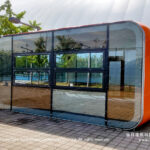
The cube tent maximizes interior volume with a near-square profile, while the event box stretches longer to favor a processional layout from entrance to stage. A custom arcum tent softens the roofline but loses some wall height at the eaves compared with the box. When the brief is a modular efficiency event tent that also sells product, the box wins on front-of-house flexibility. A geodesic dome event tent draws more attention but costs more per square meter of usable floor.
For most outdoor stores the call is simple: pick the box when footfall flows one way, pick the cube when the plan is square.
FAQ: Frequently Asked Questions About Modular Event Box Tents
Why use an event box tent for an outdoor store activation?
The box gives a brand a real shopfront with glazed walls and a roll-up entrance, yet packs down to transport between cities. That combination lets a marketing team run a store by day and a launch party by night under one roof. Because the bays are standard, the same unit scales from a kiosk to a flagship without new engineering.
How quickly can a modular event box open for trade?
A trained crew raises a 10 m by 20 m box in roughly a day using the numbered bay kit and a telehandler. Adding bays extends that time in straight proportion, so a 30 m unit needs about a day and a half. Power, lighting, and counters clip in after the frame stands, which keeps the build sequence predictable.
Can the event box host a product launch after retail hours?
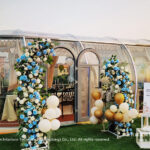
Yes. The clear-span floor takes a stage, screens, and a crowd line with no posts in the way, and the glazed front doubles as a backdrop. A temporary storage tent beside it holds spares so the floor stays clear during the event. Reconfiguring from store to stage is mostly a matter of moving panels and furniture.
Which wall finish fits a branded store tent?
Printed mesh skins carry the logo at low cost, while glass walls signal premium product and pull in daylight. Insulated sandwich panels suit cold sites or temperature-sensitive goods, and solid PVC keeps the build cheap for short runs. Mixing them per elevation lets the brand spend on the street-facing wall and save elsewhere.
→ Browse Modular Cube Tents for Outdoor Stores
Send the site details, required size and operating season for a tailored specification.