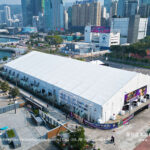
Exhibition tents for sale in the commercial market span a wide range of frame systems and footprints. Buyers usually weigh clear span aluminum structures against modular units before committing to a purchase. This guide covers the practical points that affect a trade show or exhibition build.
Choosing the right frame system
Clear span aluminum frames dominate large exhibition halls because they remove interior poles. The open floor plan lets you place booths and displays without obstruction. Frame tents also reach wider spans than pole structures of the same height.
Modular exhibition tent solutions give you connected bays that grow with the booth count. A modular bay system suits exhibitors who change layout between events. The trade off is more connection hardware and longer install time per bay.
Sizing and space layout
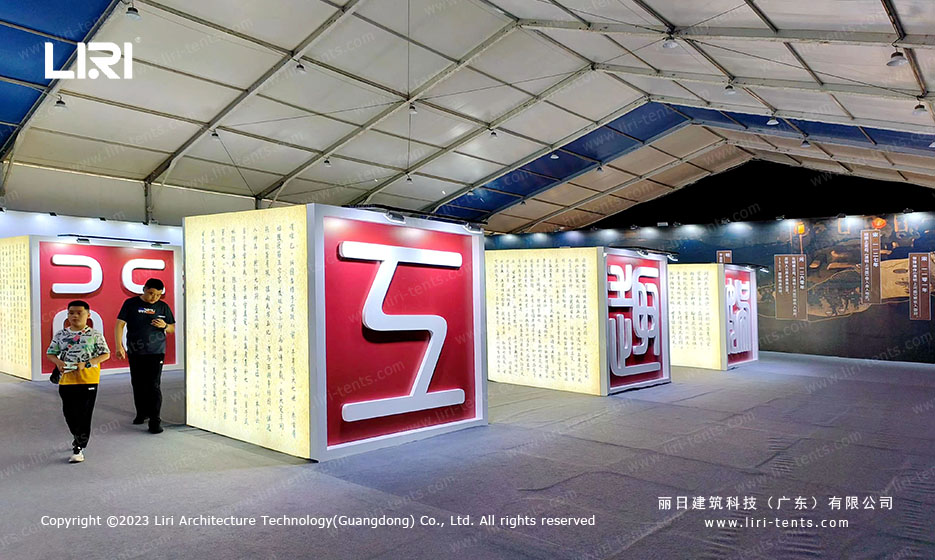
Plan the footprint around buyer flow rather than raw square meters. A 20 by 40 meter clear span tent fits a mid size product display with clear aisles. Leave at least 1.2 meters between booth rows for cart traffic.
Builds for the exhibition tent for canton fair often run 30 meters wide to host multiple brands under one roof. Width drives the frame gauge and the number of base plates. The aluminum clear span tent for exhibition stays stable at these widths without center columns.
Flooring, walls and climate control
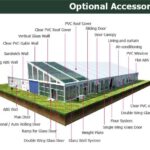
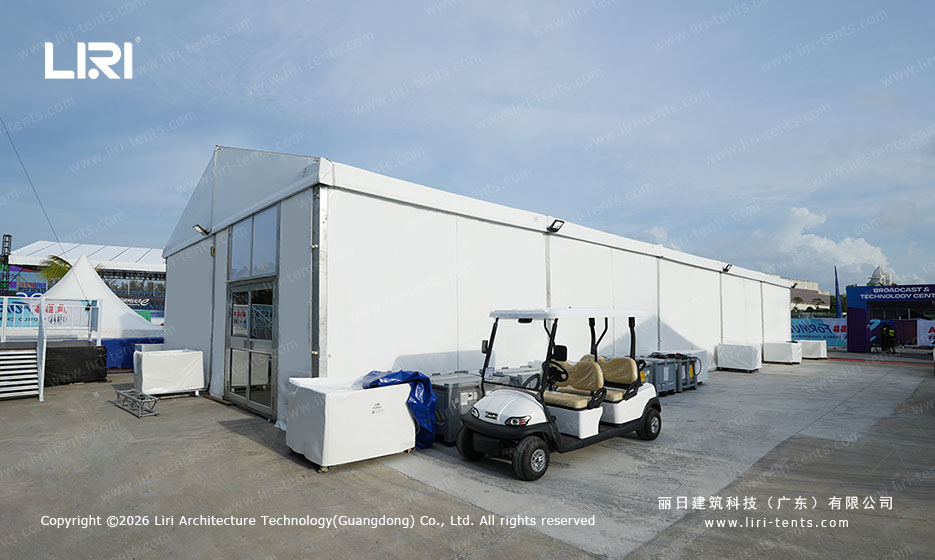
Grass and asphalt need different anchoring, and the floor plan follows from that choice. Cassette flooring levels the surface and protects carpets from ground moisture. A solid wall on the back side reduces draft during long show hours.
Climate control matters in warm climates where exhibits and staff share the space. Outdoor HVAC units clip to the frame and push conditioned air through the hall. Glass wall options raise natural light but add weight to the transport plan.
Setup, permits and lead time
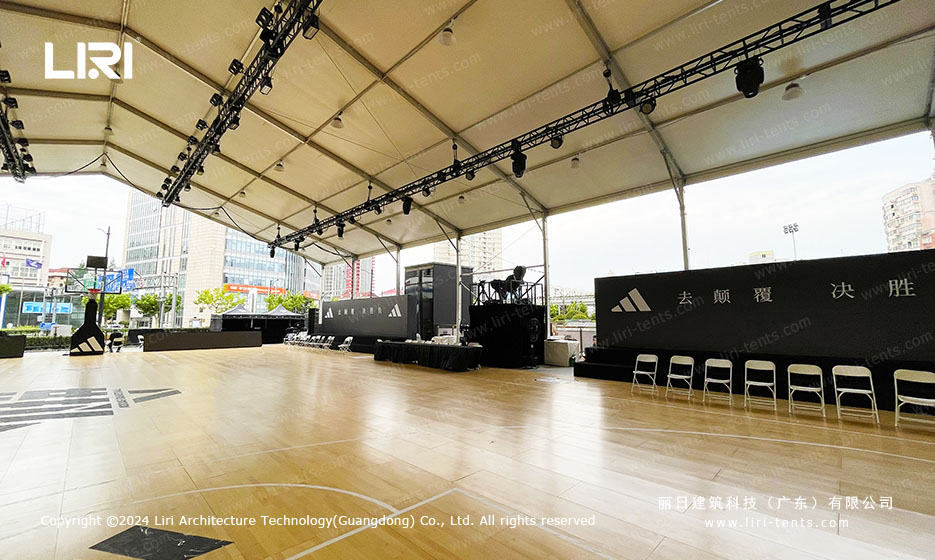
A custom exhibition event tent needs engineering drawings before the site sign off. Local rules vary on fire exits and maximum occupancy. Request the structural certificate early because approval can take weeks.
Key factors for exhibition tent rental differ from a purchase because you pay per event and skip storage. If you exhibit once a year, rental may lower total cost. A purchase makes sense when you run ten or more shows annually and need a consistent brand setup.
Frequently Asked Questions
What is the typical price range for an exhibition tent?
A small 10 by 20 meter frame tent starts near a few thousand US dollars, while a 30 by 60 meter clear span structure with flooring and HVAC runs into six figures. Final price depends on width, wall system, and climate gear. Compare itemized quotes because freight and install are separate line items.
Is it better to rent or buy an exhibition tent?
Rent when you exhibit fewer than ten times a year or need different sizes per show. Buy when your event count and brand layout stay fixed across the season. The break even point usually sits around eight to twelve shows per year.
How much wind can an exhibition tent handle?
A certified aluminum clear span tent rated for 80 to 100 km/h wind uses base plates and guy ropes sized to the local code. Peak gusts above the rating require partial teardown of sidewalls. Always keep the structural certificate on site during the event.
Can I run power and lighting inside the tent?
Yes, but power must come from a qualified electrician through sealed conduit rated for outdoor use. Distribute load across multiple circuits to avoid hot spots near fabric. Keep generators outside the tent and route cabling under the flooring.