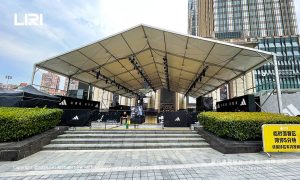
Temporary exhibition hall handover connects the structure build with the work that makes the venue ready for exhibitors. An organizer needs to know which area has been released, which services remain incomplete and who can authorize the next contractor to enter. “Tent erected” is too broad a description for that decision.
This guide proposes an organizer’s interface record for mobilization. The contract, project specialists and applicable local requirements determine the actual acceptance and access arrangements.
Plan the handoffs after the contract is awarded
The temporary exhibition hall RFP guide allocates scope before purchase. At mobilization, convert those allocations into named contacts, dependencies and release records. The question has changed from who priced the work to who confirms that the next activity can proceed.
List the venue representative, structure contractor, flooring provider, service contractors and exhibition operations contact as applicable to the job. Record who can approve access to each working area. If one company performs several roles, keep the responsibilities identifiable even when the contact is the same person.
Freeman’s guide for international exhibitors describes the organizer’s general services contractor and the role of an exhibitor services manual in its U.S. exhibition context. It also identifies services that may be exclusive to particular providers. Check the actual event arrangements; a structure supplier’s scope does not automatically include these show services.
Record three different release decisions
The following divisions are suggested coordination stages. They are not universal certificates or permission for work to overlap.
- Site to structure contractor. Record the work area, current site information, agreed access, ground-preparation responsibilities and unresolved restrictions. Bring site-specific technical questions through the engineering review process.
- Structure work to service contractors. Identify the installed arrangement and the areas available for the agreed next activity. Record outstanding work, protected zones and the documents or checks required by the project.
- Serviced hall to exhibition operations. Confirm which operational areas may be released for exhibitor move-in and which remain restricted. Identify the person managing access and the method for communicating changes.
Keep each release tied to a drawing or clearly identified area. One hall may have a different readiness status from another. If staged working is proposed, the responsible project team must agree how activities and access are controlled; a programme milestone alone does not settle that question.
Give every open issue an owner and an effect
A useful open-issue record identifies the location, description, responsible party, required action and next review point. Add the consequence for access or the next work package. Without that last field, a list can show unresolved work while still leaving the operations team unsure whether move-in can start.
For an illustrative coordination issue, an entrance arrangement might remain under review while the hall’s delivery programme is being finalized. Record the affected area and ask the responsible teams how that uncertainty changes the proposed access plan. Do not substitute an assumed opening or route for the reviewed arrangement.
Keep decisions with their evidence: the current drawing, written response and actual release record. A later change to a doorway, service route or equipment position should reopen the relevant review rather than silently altering the record already circulated to contractors.
Communicate the released area to exhibitors
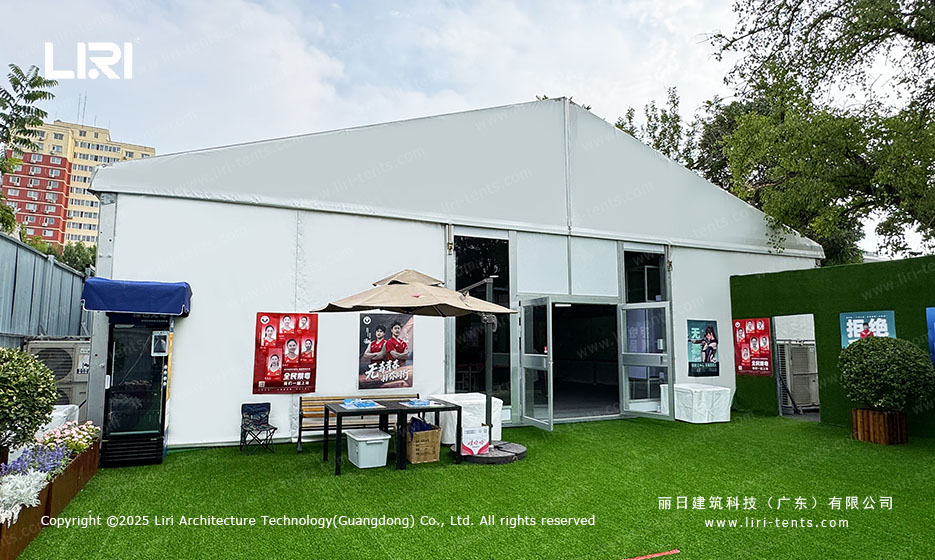
This structure reference illustrates an entrance interface. It does not document a handover inspection or prove that the pictured space is ready for a particular exhibition.
Issue the agreed move-in information through the event’s established communication route. Include the released areas, arrival arrangements, restrictions and contact for changes. Coordinate the information with the current hall configuration so the operations plan describes the structure actually provided.
Retain the actual issue and acceptance times. If a dependency remains unresolved, report it as an open restriction and obtain the responsible decision before releasing the affected area. That gives the organizer a traceable handoff from construction activity to exhibition operations.
Discuss your exhibition hall configuration and contractor interfaces with the site plan and proposed working programme.