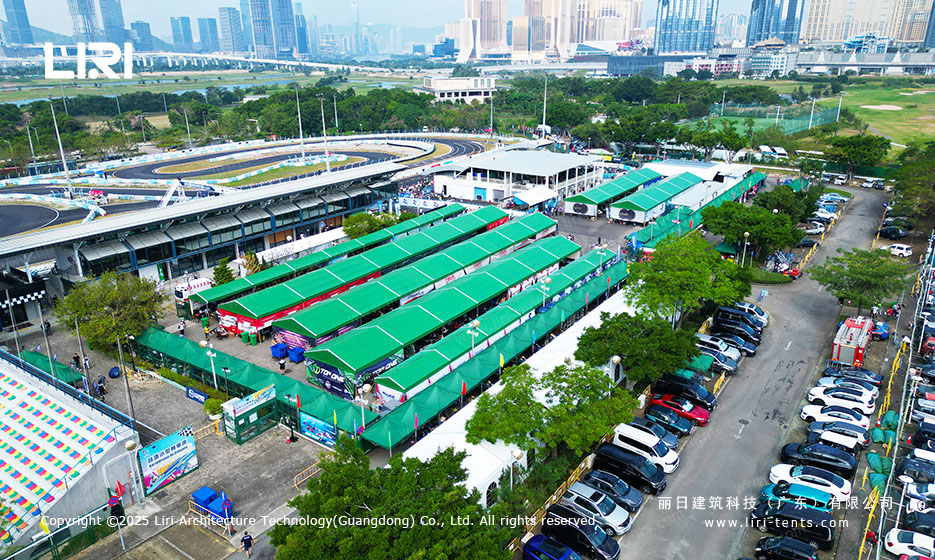
The Challenge: Remote Site, Tight Deadline
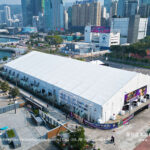
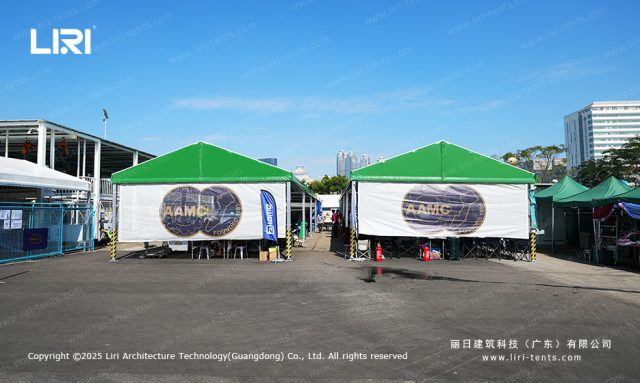
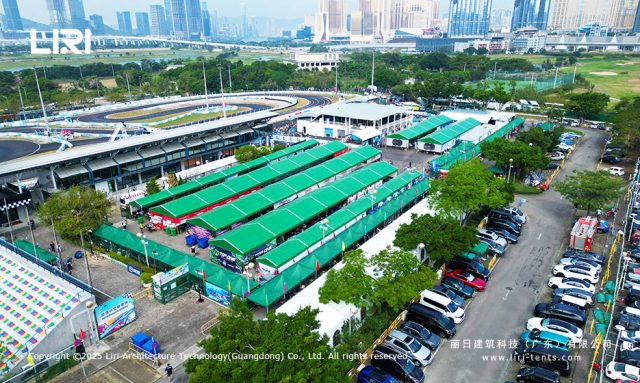
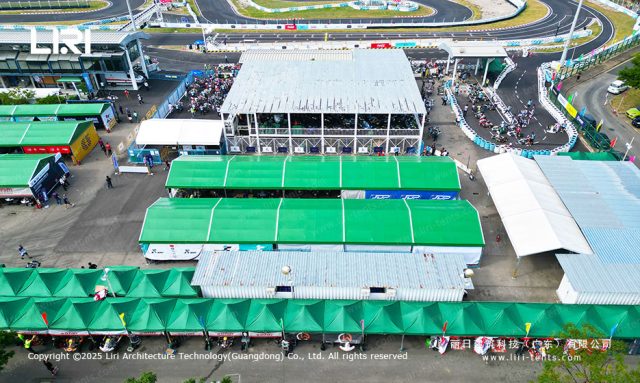
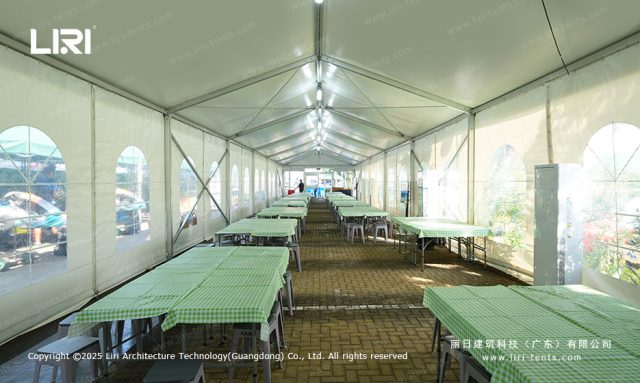
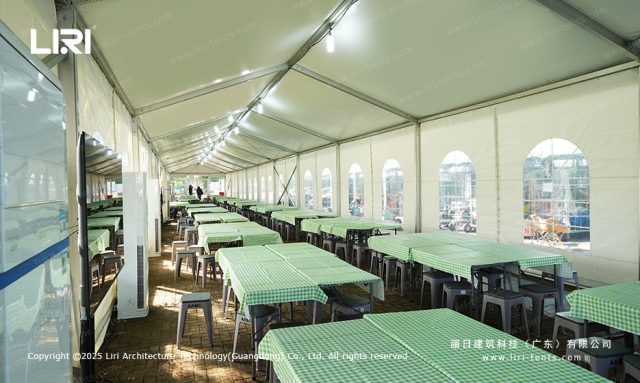
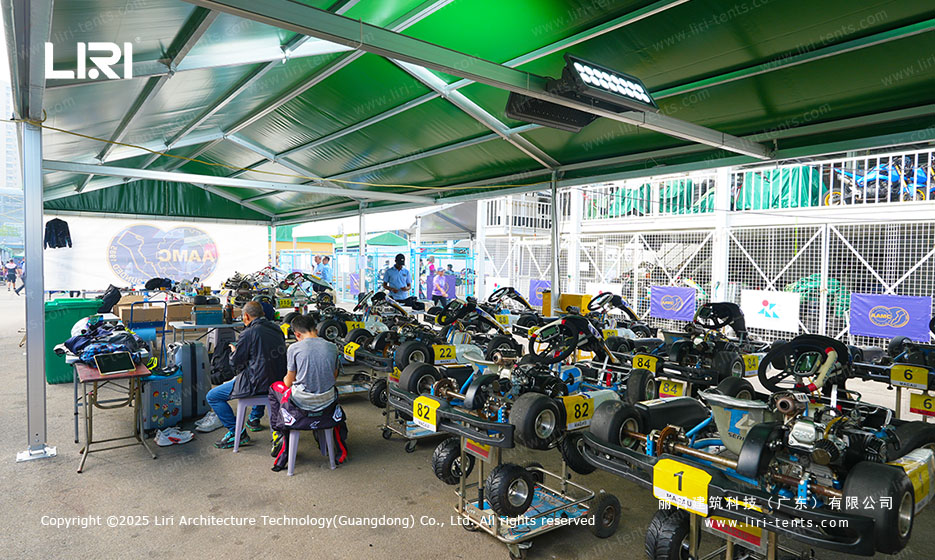
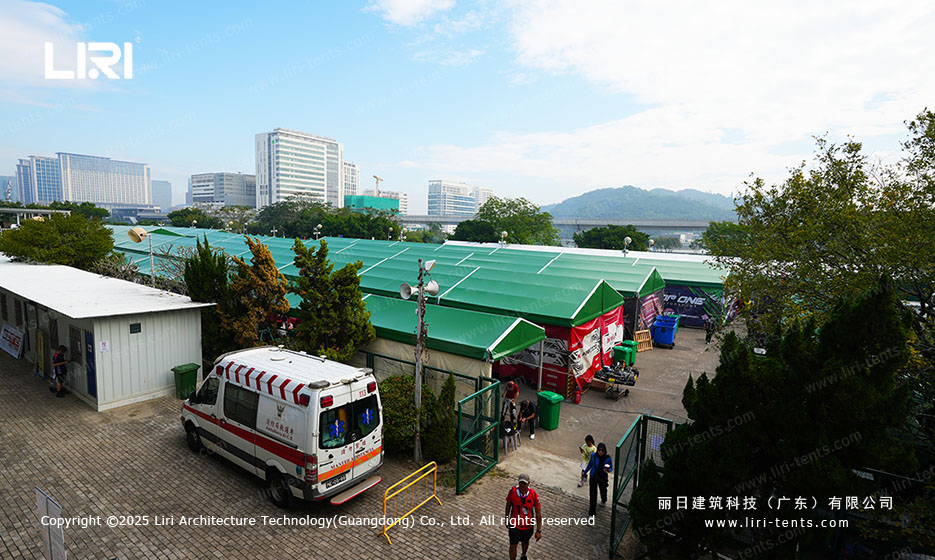
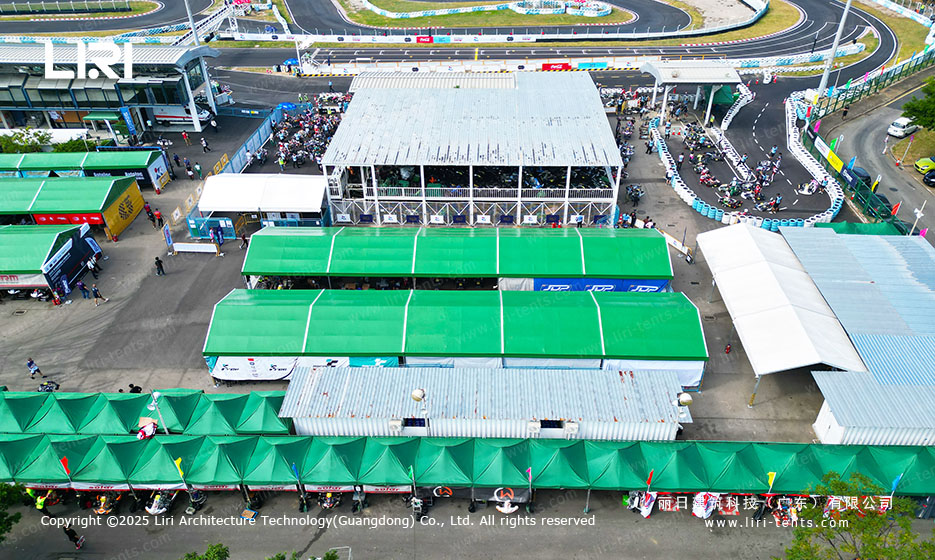
When a project demands a 2,000-square-meter footprint on a remote site within a 48-hour window, the conversation shifts from mere aesthetics to structural integrity. We recently navigated such a challenge for a client requiring a high-capacity temporary venue.
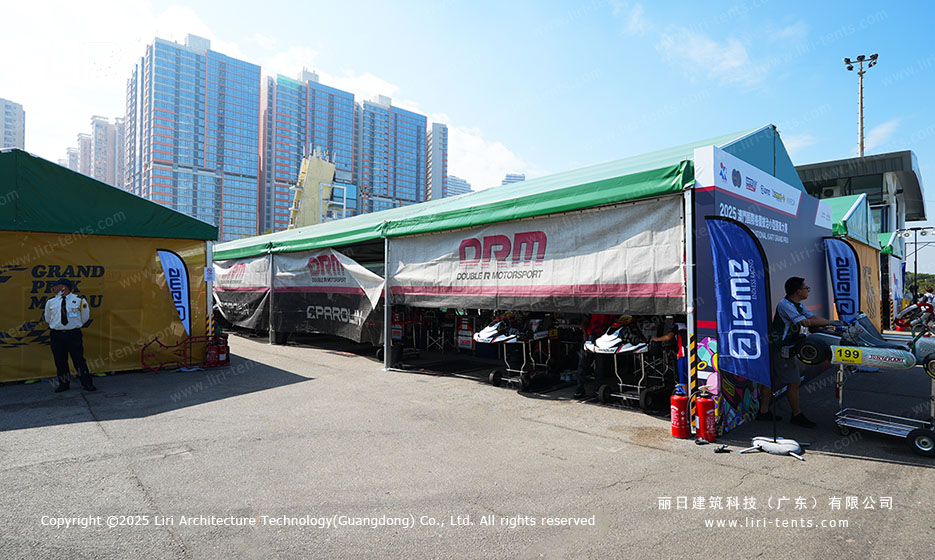
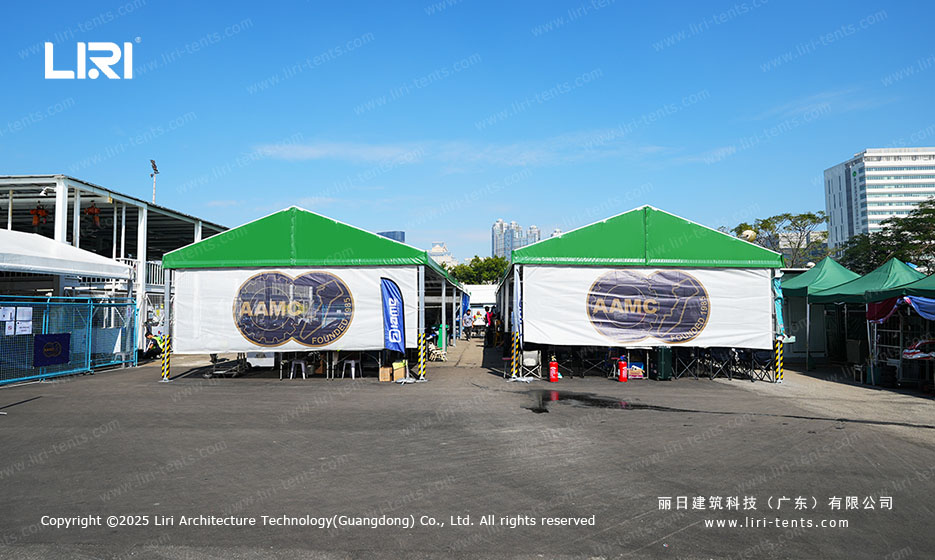
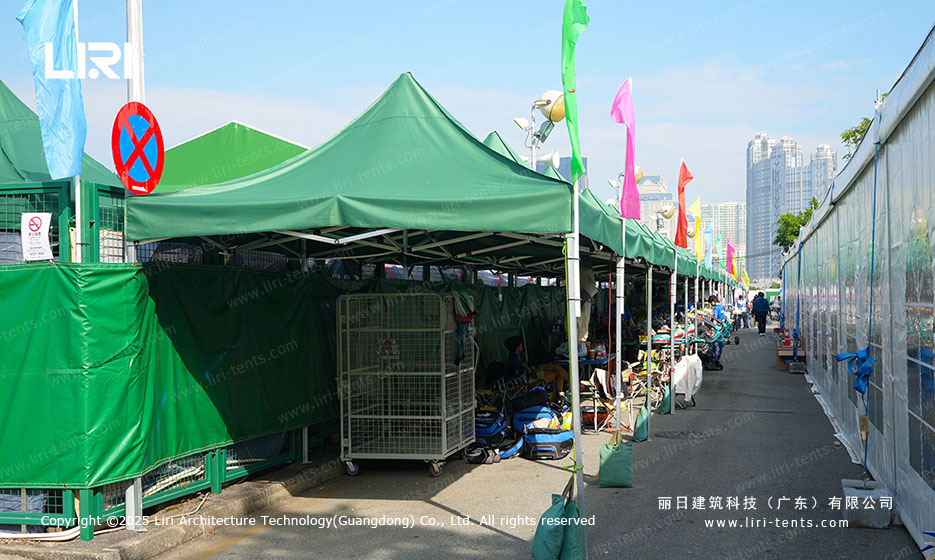
The primary objective wasn’t just to find an event tent for sale, but to secure a high-performance environment capable of withstanding local wind loads while maintaining a premium interior feel. The project site presented a typical logistical hurdle: uneven terrain and a strict “no-drill” policy for the ground surface. This necessitated a shift toward modular structures with integrated heavy-duty flooring systems. By utilizing a modular framework, we could bypass the limitations of traditional construction, allowing the skeleton of the structure to be assembled in sections on the ground before being craned or lifted into position.
For teams evaluating similar site constraints, the bolt-assembly design removes the need for deep foundations or permanent ground anchors. Every connection point can be inspected and retorqued on-site without specialized equipment — a practical advantage when the clock is the most critical resource on a project.
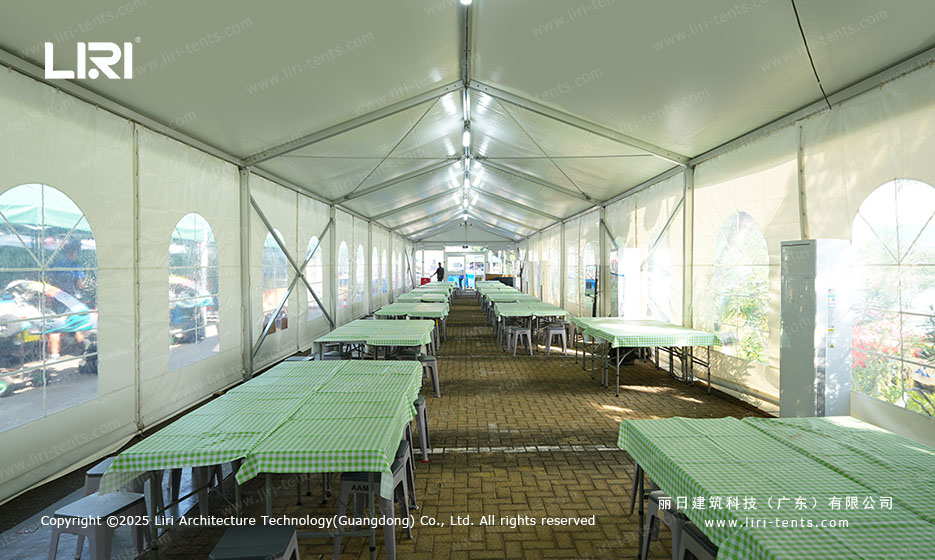
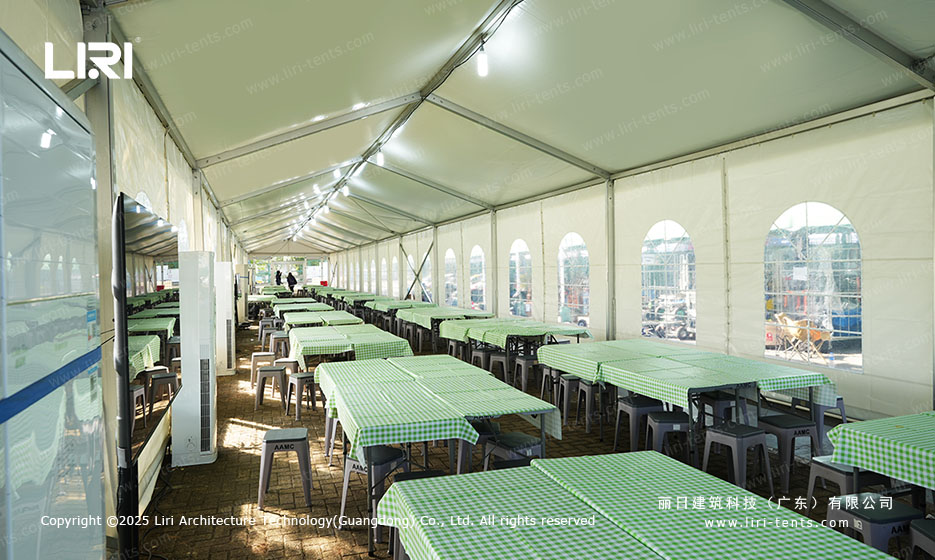
Engineering the Solution: Materials That Deliver
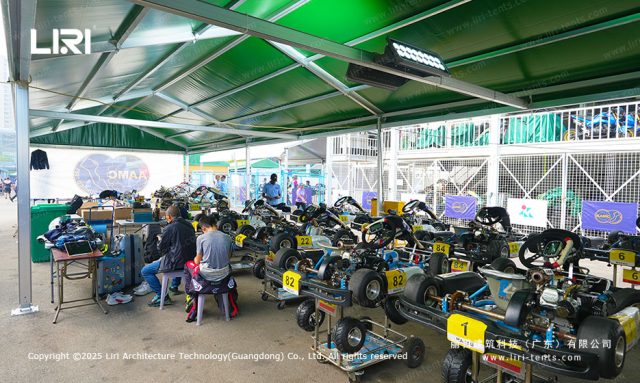
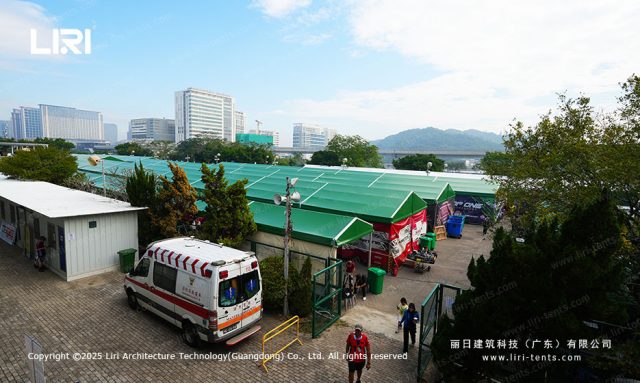
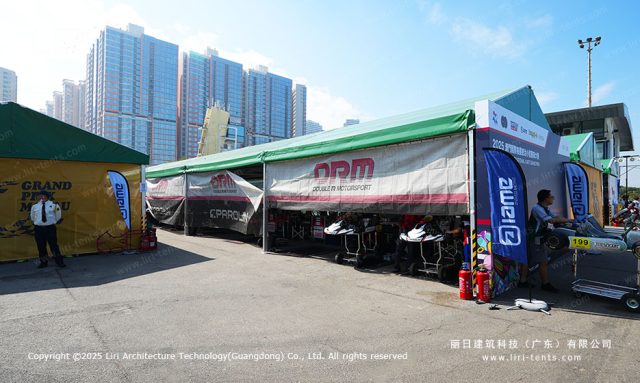
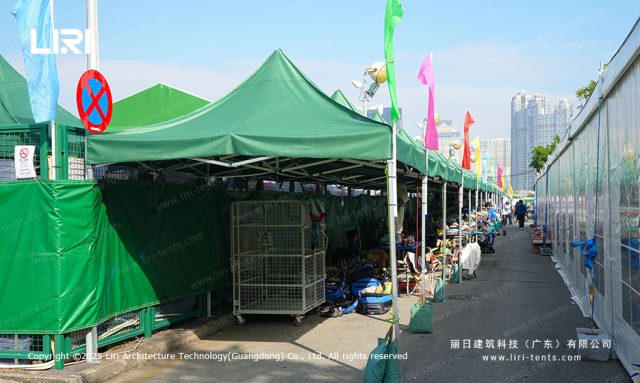
The technical specifications were dictated by safety. We utilized a high-grade 6061/T6 aluminum alloy frame, ensuring the structure remained lightweight for rapid deployment while offering a wind resistance rating of up to 100km/h. For the building envelope, we opted for 850g/m² double PVC-coated polyester textile. This isn’t just about waterproofing; the fabric is UV resistant and flame retardant, meeting DIN4102 B1 standards, which is a non-negotiable requirement for modern fire safety compliance. Together, these materials produce a structure that handles extreme weather without the weight and cost of permanent construction.
Climate Control at Permanent Standards
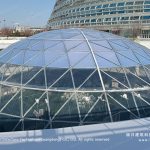
As the installation progressed, the focus moved to climate control. Large-scale temporary structures often struggle with thermal regulation, but by implementing thermal-insulated roof covers and glass walling systems, we achieved a stable internal temperature of 22°C despite the external heat. This level of environmental control transforms a tent into a semi-permanent facility that rivals traditional brick-and-mortar venues in comfort. For clients running multi-day corporate events or exhibitions, consistent climate control is the difference between a space that works and one that distracts attendees.
The Business Case: Own, Don’t Rent
The true value of investing in an event tent for sale lies in its lifecycle. Unlike a one-off rental, these structures are designed for repeated assembly and disassembly. The precision of the CNC-machined components ensures that the fit remains airtight even after multiple deployments. For event companies and venue operators who deploy tents across multiple locations each season, the math is straightforward: ownership pays for itself within 12-18 months of active use compared to recurring rental fees.
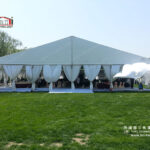
When you look at how modular exhibition tent configurations scale from a single 10m bay to interconnected 50m spans using the same frame system, the operational flexibility becomes clear. A multi-use event tent purchased once can serve as a sports venue this month, a trade show hall next month, and a gala dinner venue the month after — all with the same structural core. This particular case proved that when industrial-grade engineering meets rapid-response logistics, the result is a reliable, scalable asset that serves as much more than a temporary shelter.
Why This Matters for Your Next Project
This case demonstrates that modern temporary architecture is no longer about making do — it is about strategic flexibility. Whether you are expanding a facility or hosting a global summit, the choice of structure impacts your operational bottom line. The right tent supplier becomes a logistics partner, not just a vendor — one who can deliver engineering-grade aluminum frames, certified fire-retardant fabrics, and installation support on a timeline that permanent construction cannot match.
If you are evaluating technical specifications for your next site, I can help you calculate the optimal load requirements and fabric grades for your specific climate. Would you like me to draft a custom technical proposal based on your current site dimensions?
Tell us your venue size, surface, and timeline — we return a stamped layout, ballast specification, and a quote.
Send the site details, required size and operating season for a tailored specification.