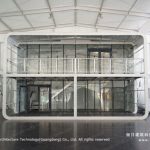
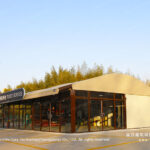
A modular box tent turns an empty lot into a working retail front in a fraction of the time a brick-and-mortar build requires. The box format packs a rectangular, clear-span interior that keeps shelves, racks, and checkout lanes free of central poles. Operators who run seasonal outlets, roadside garden sales, or pop-up brand corners rely on this structure because it arrives flat-packed and stands up with standard crew and lifting gear. The same footprint that serves as a store today can become a temporary storage tent for inventory tomorrow, which keeps capital off locked real estate.
What a Modular Box Tent Brings to an Outdoor Store
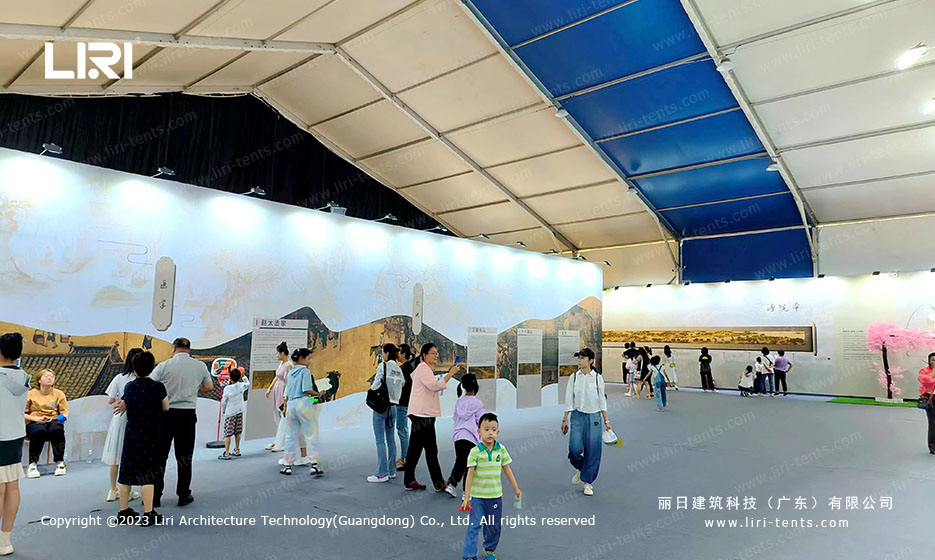
The defining trait of a box tent is its fixed, repeatable envelope. Widths usually run from 6 m to 15 m, and length extends in 3 m or 5 m bays so the store grows with foot traffic. A modular cube tent uses the same bay logic but adds a near-vertical wall profile that pushes usable floor area right to the edge. Because every bay locks to the next with forged connectors, crews add or remove sections without special tools.
Side walls accept glass panels, solid insulated boards, or roll-up shutter doors, so the front of the store reads like a real shop rather than a tent. Pairing the shell with a push pull warehouse tent behind the sales floor creates a connected stock room that staff reach without stepping outside.
Frame Construction and Weather Protection
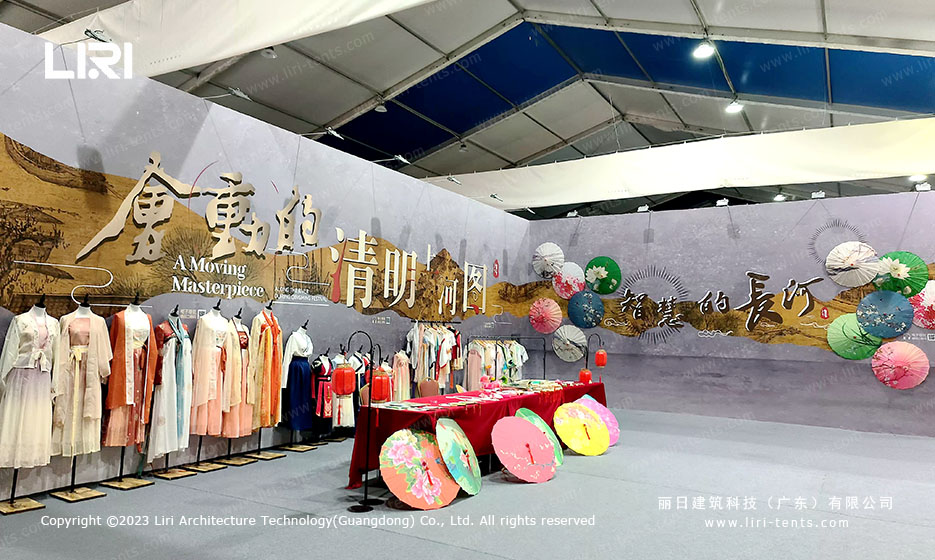
The frame is extruded aluminum with an anodized finish that shrugs off rust even on coastal or humid sites. The roof skin is lacquered PVC that carries a fire-retardant rating and blocks rain, while the curved eaves shed wind load that would lift a flat canopy. A warehouse storage tent built on the same system proves how the skin holds up across multi-season use.
Thermal comfort comes from lining options and a portable HVAC drop, which matters when the store holds electronics, food, or fabric that reacts to condensation. Floor decking levels the store over grass or pavement.
Modular Box Tent vs Standard Storage Tent
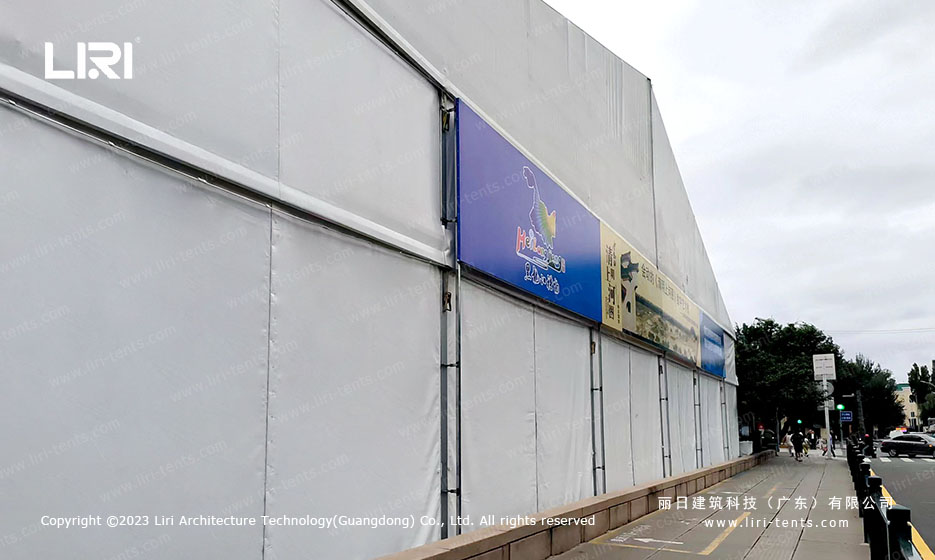
A standard storage tent prioritizes cover and ignores the customer experience, whereas a box store tent treats the front wall as a selling surface. The custom arcum tents line bends the roof for a softer silhouette, but the box profile wins when shelf rows must run wall to wall. A modular exhibition tent solution shares the bay system yet targets booths, so the store variant trades open span for service counters and wiring channels. A clear span warehouse tent gives the same bones with industrial doors instead of shopfront glazing.
Relocating a box tent costs a day of crew time, which keeps the business able to chase demand across sites without leasing risk.
FAQ: Frequently Asked Questions About Modular Box Tents
Why choose a modular box tent over a shipping container for retail?
A shipping container is fixed in size and needs crane handling at both ends, while a modular box tent breaks into bays that a small crew assembles on site. The tent also brings full-height glazed walls that draw shoppers in, something a steel box cannot match without cutting. For a seasonal outdoor store, the tent pays back faster because it stores flat and moves to the next location.
How much floor space does a standard modular box tent provide?
A 10 m by 15 m box tent yields roughly 150 m² of clear-span floor with no interior posts to work around. Adding a 5 m bay lifts that to about 200 m² without changing the frame type or the crew skill set. Most outdoor store layouts fit checkout, display, and a small temporary storage tent zone inside that envelope.
Can a modular box tent be relocated between store locations?
Yes. The aluminum frame disassembles into numbered bundles and the PVC skins fold into compact rolls for transport on a standard truck. Re-erection follows the same bay sequence, so a team that built it once can repeat the work at the new lot within a day. This portability is why the box format suits touring retail and festival outlets.
What ground conditions suit an outdoor store tent?
The tent works on grass, asphalt, concrete, or compacted gravel as long as ballast or anchors match the surface rating. Soft ground takes driving stakes, while hard pavement uses weighted base plates that leave no damage behind. A site survey of a few minutes confirms which anchor set the store needs before delivery.
→ Browse Modular Cube Tents for Outdoor Stores
Send the site details, required size and operating season for a tailored specification.