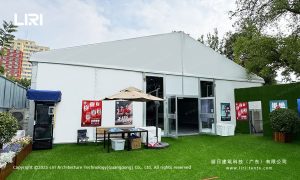
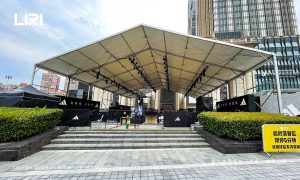
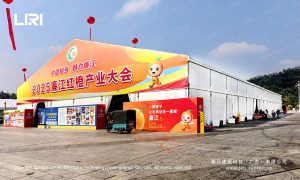
Small 15x15m clear span tent for exhibition hall ideas start from far smaller shells, and a clear span tent in the 3m to 10m span range gives you a clean unit you can tow between sites. Small exhibition tent units suit a pop-up show, a school fair, or a roadside display where a full hall is overkill, because the bay system lets you clip two units into an L or a row as the event grows. This guide covers unit sizing, power, pack-down, and a budget path that grows the kit with the bookings.
Which Unit Size to Pick
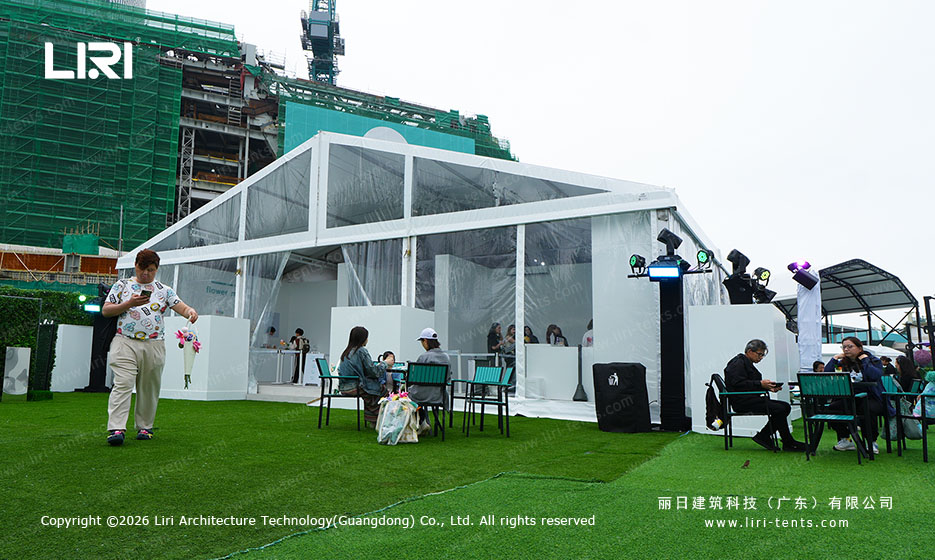
A 3x3m bay fits a single stall; a 6x6m unit holds a demo and a table; a 10x15m block takes a small show with aisles, so the size tracks the stock you bring. Because bays share connectors, you clip two units into an L or a row as the event grows, which means you never pack a frame you will not use. Transparent wall sets turn a small unit into a lit box at dusk, so a roadside display pulls attention without extra lighting rigs.
For the join logic at larger scale, the custom exhibition event tent for trade show shows how the same connectors build a 1000-people hall. Start with one bay, prove the location, then add bays only where the crowd confirms.
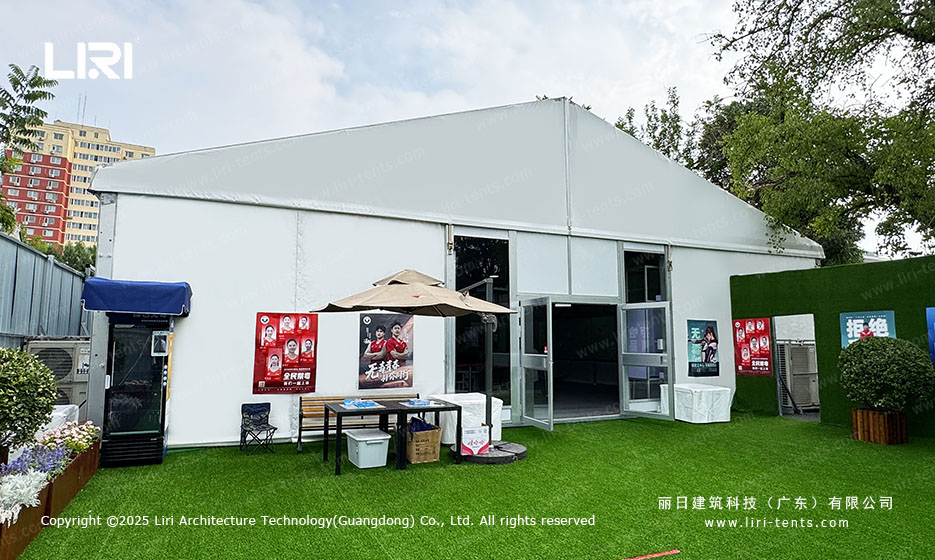
Specs for a Pop-Up Unit
The trade is span against weight. A 3m bay moves in a car boot and still takes a table and a banner, while a 10m block needs a van but holds a real demo with aisles and a screen. Both use the same 6061-T6 aluminum frame and the same B1 PVC, so the fire rating travels with the kit from site to site.
Specs at a glance: span 3m, 5m, 6m, 8m, 10m; bay 3m or 5m; eave 3 to 4m; frame 6061-T6 aluminum; roof PVC 650 to 850 g/m² B1; wind 80 to 100 km/h; snow 0.3 to 0.5 kN/m²; wall sets solid, clear, glass; floor cassette or plywood on beams; anchors stakes or ballast. These let you quote a pop-up by the stall, and the white pvc event tent for flower exhibition shows the same shell dressed for a softer brief.
Power and Display Needs
Run power in floor duct or overhead busbar so a screen and a till both plug in without surface cords, and a cassette floor keeps displays level on grass. Ballast anchors let you set up on pavement without damage, which opens town centres that ban stakes, and service doors cut into the wall for restock so the stall stays open while you reload. Clear wall sets light the unit at dusk and pull a crowd without a rig, which is why the exhibition tent for canton fair runs long show days on the same plan.
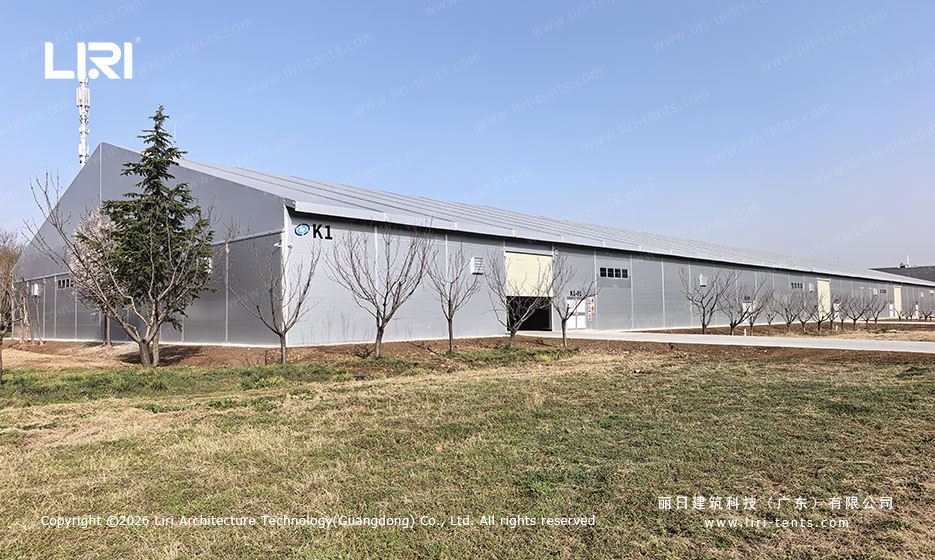
Site prep decides how fast a unit opens. On a paved plaza the frame sits on levelling feet, and on grass or gravel the same feet spread the load over load-bearing pads so the unit does not sink under a day of foot traffic. Check the fall of the ground before install; a 10 cm slope is manageable with adjustable feet, but anything steeper needs the pad adjusted or the unit repositioned before the banner wall goes up.
Ballast is part of the hire spec, not an extra. Freestanding units under 6m span normally carry sandbag or concrete weights at each corner leg, sized to the local wind zone; if the show runs on a coastal plaza, ask for the wind-rated version with extra corner straps. Mark the anchor points with tape before the stall is dressed, so nobody drags a cable or a trolley over a ballast weight later.
Pack and Move
The frame breaks into lengths that fit a car boot or a small van, so one person moves a unit between dates, and PVC covers fold flat so the bay system means you pack only what you used. Keep the frame in one van so you can chase the next date the same week, and book two dates back to back so the kit never sits idle through the quiet months. A weekly pitch builds a regular crowd faster than one large event, and a simple service door in the wall keeps the stall stocked while you trade.
For a sponsor row at a sports or culture event, the pagoda tent village for tennis event shows how small units cluster into a walkable market. Start with one bay and clip on as the calendar fills, so the frame stays in steady work.
FAQ: Frequently Asked Questions
What exhibition units suit a pop-up show?
A 3x3m bay is the entry unit and still takes a table and a banner, so you can test a location for one weekend before you commit a row of units. Join more bays for a row of stalls as the shows grow.
Can exhibition units sit on a paved plaza?
Yes. Ballast plates hold the frame without drilling, so the surface stays intact after the show and the site owner signs off fast. That opens town centres and malls that ban ground stakes for exhibition units.
Is one person enough to run a small unit?
A small unit goes up in a few hours with hand tools, so a solo operator can tour several dates a week without a crew. The frame packs into one van, which keeps transport cost near zero between shows.
What power does an exhibition unit stall need?
A till and a screen run from one floor-duct feed, and the custom exhibition event tent for trade show scales the same single feed to a full trade hall. Ballast anchors keep the setup clean on pavement with no permits for drilling.
→ Browse our small and large exhibition tent units
Send the site details, required size and operating season for a tailored specification.