Fashion show tents turn a clearspan structure into a runway venue. A column-free floor gives the catwalk its length, the aluminium frame carries the lighting and rigs, and the walls become backdrop and branding.
Most organisers searching for fashion show tents already know they need cover, but not how the runway, seating and lighting fit inside one structure. The tent is the shell; the show is built within it.
What fashion show tents need to deliver
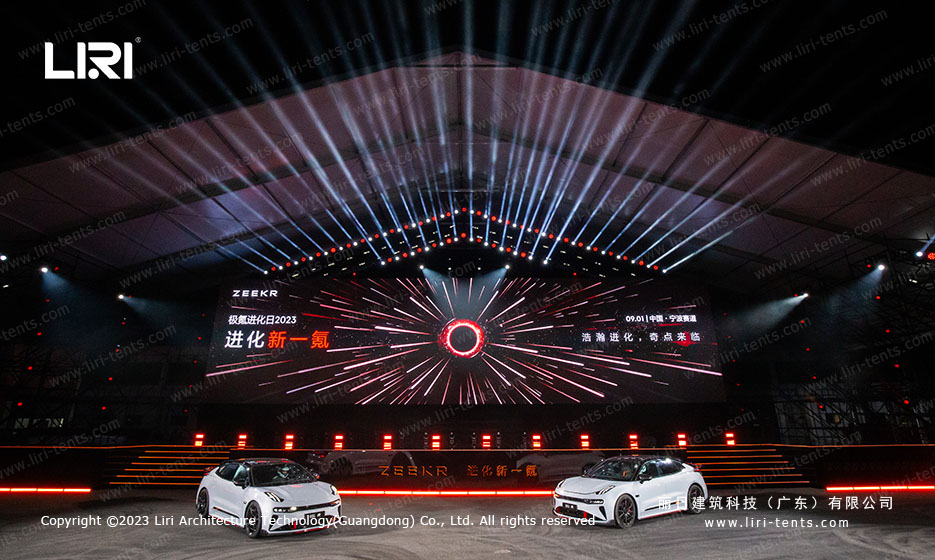
The first job is floor. A runway needs a long, flat, uninterrupted span, which is exactly what a clearspan frame delivers. That is why clear-span structures for brand reveals work for a clothing launch as well as a car reveal.
Height matters as much as floor. Catwalk lighting, banner trusses and cameras hang from the frame or a rig, so eave and ridge height set how much you can suspend.
Laying out the runway inside the structure
A typical catwalk runs about 1.2 to 1.5 metres wide and 15 to 20 metres long, with the audience banked along both sides. A 15x30m or 20x40m footprint covers most single-runway shows.
Sightlines decide the rest. Clear-span tents as pop-up shops use the same open floor logic: keep the walk centred and the seating shallow, and every seat sees the clothes.
Lighting, backdrop and branding on the frame
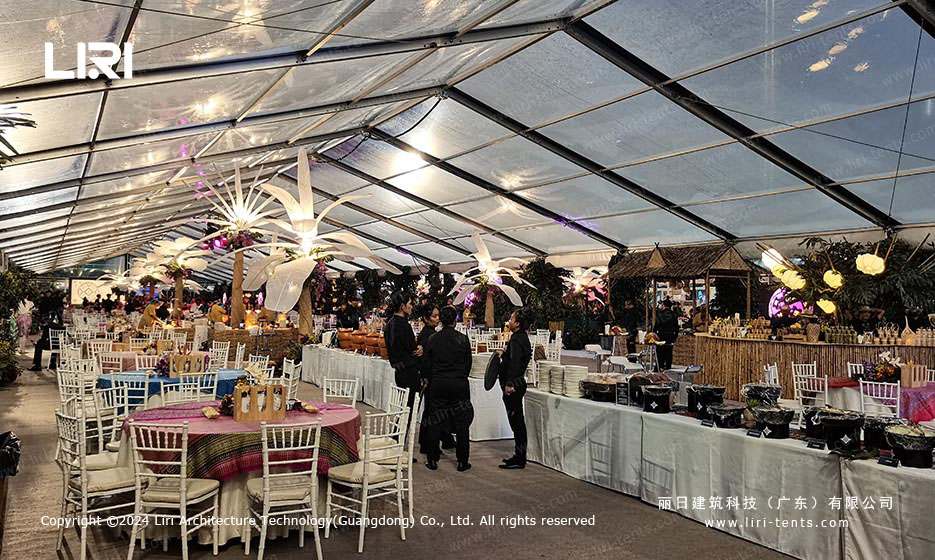
The frame is the rig. Lighting bars, spot positions and banner rails clip to the aluminium profiles, so you are not drilling into fabric to hang a show.
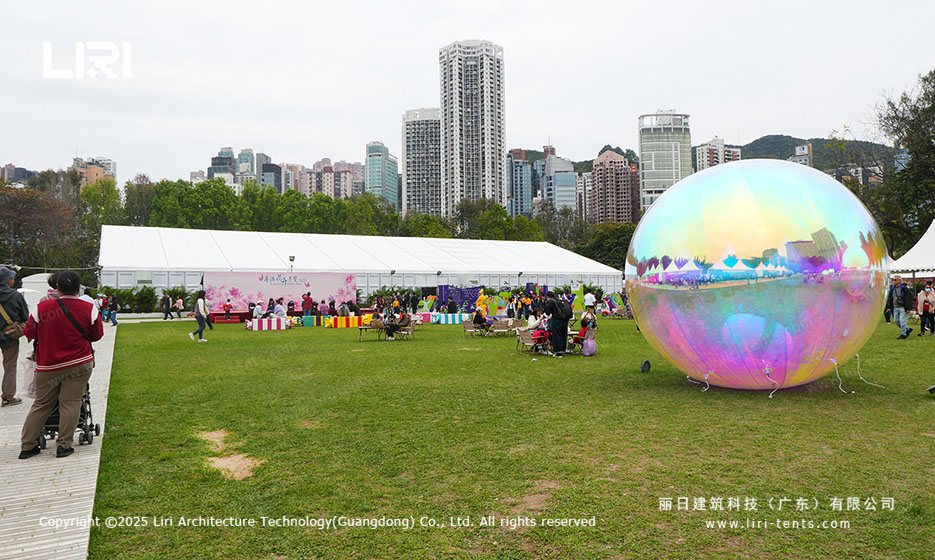
Walls do double duty. Lined panels read as a clean backdrop, and printed graphics turn the structure into a brand surface. A versatile clear-span event space handles a rehearsal dinner one night and a collection launch the next, because the shell stays neutral until you dress it.
Flooring, climate and backstage room
The catwalk usually gets a raised or reinforced surface so the stride is even and the camera angle is clean. A level floor throughout keeps the audience and crew moving safely, and climate control is worth it for indoor-season shows.
Leave real space behind the scenes. Exhibition tents for sale are often specced with a side bay kept clear for staging, and a fashion show needs that buffer even more. Modular exhibition tent solutions add that bay without resizing the whole structure.
Frequently Asked Questions
How much does a fashion show tent cost to own and run?
Ownership cost splits into the structure, the flooring and the lighting kit, plus transport and crew for each setup. Buying makes sense when you run several shows a year; the per-event cost then falls well below repeated hires once the frame is paid off.
Do I need a permit for a temporary structure fashion show?
Almost always, yes, if the public attends. A clearspan tent still counts as a temporary building, so local rules on occupancy, fire exits and anchoring apply. Check with the venue and the authority before you confirm the date.
How long does installation take before a show?
A standard single-runway structure goes up in a day with a trained crew on a prepared site, plus a buffer for flooring, rigging and a rehearsal.
Can a fashion show tent work in cold or wet weather?
Yes, with the right cladding and heating. Solid sidewalls and a lined roof cut draughts, and a hard floor keeps the runway dry.