A temporary structure fills the gap between a permanent building and a simple canopy — it gives you real enclosed space, engineered structural integrity, and weather protection, but with speed and flexibility that fixed construction can’t match. Across retail, sports, exhibitions, and industrial storage, temporary structures are chosen where deployment speed, cost efficiency, and the ability to relocate matter more than permanence.
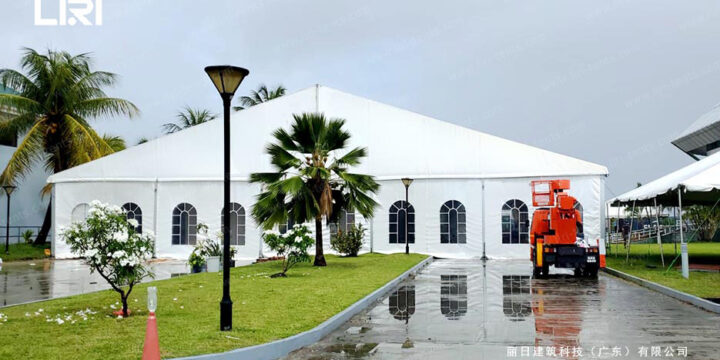
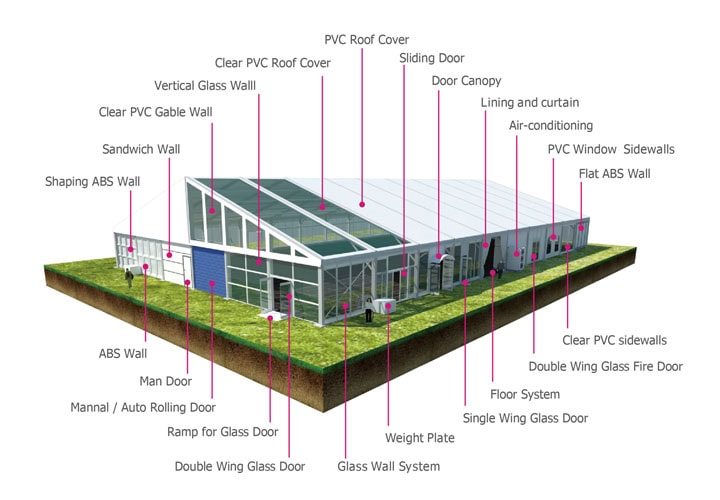
What makes these structures work as venue replacements is the clear span design — no interior columns, no support poles breaking up the floor plan. When a 15m x 15m exhibition tent needs to function as a proper gallery with clear sightlines, or a 10m x 30m temporary supermarket needs open aisles for shelving and checkout, the column-free interior is what makes it work. The frame is typically 6061-T6 aluminum, hard-pressed extruded profiles bolted together on site — no welding, which means the whole structure can be dismantled, moved, and reassembled elsewhere.
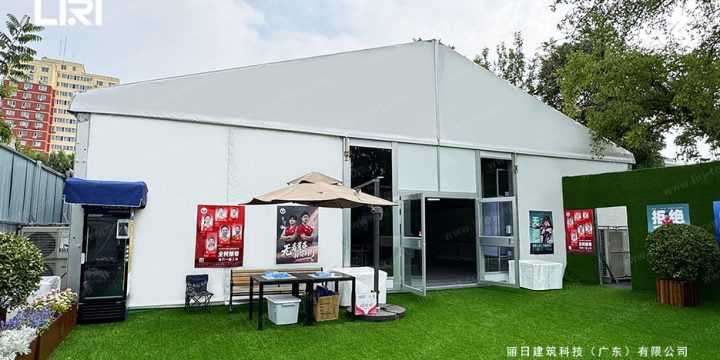
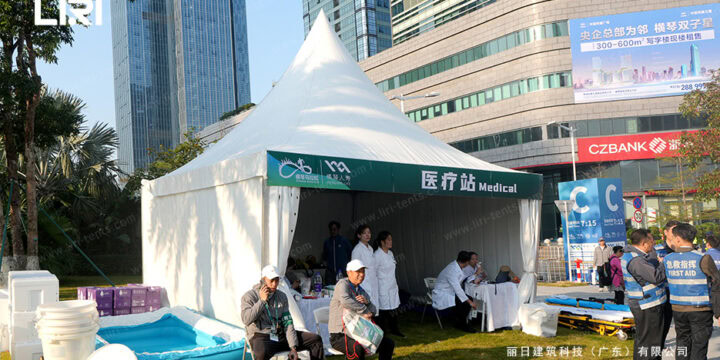
Applications span a wide range. For marathons and city sporting events, temporary event tents serve as registration halls, medical stations, and VIP lounges — structures that go up in days on parkland or street plazas and come down without leaving a trace. For exhibitions, the 15m x 15m format has become a standard for trade show halls and product launches. For industrial use, temporary storage tents are replacing concrete warehouses as faster, more adaptable alternatives that don’t lock businesses into long-term property commitments.
The modular bolt-assembly approach means these structures scale naturally. A 25m x 60m investment forum expo tent and a compact 10m x 15m registration tent share the same construction logic — the difference is in the bay count and configuration. Weather resistance comes from 850g/m² PVC roof fabric that handles rain and UV, and when paired with rigid wall panels, the structure can meet B1 fire-retardant standards for public event use.
If you’re evaluating a temporary structure for your project, the practical starting point is understanding the space dimensions, intended use, and how long it needs to stay in place. Our team can walk through the structural and regulatory considerations for your specific application. Contact us to discuss your requirements.