Global luxury brands run roadshows, product launches, and VIP hospitality that travel from one city to the next, and each stop needs temporary structures that look as polished as the permanent venues they replace. Those programs succeed when they work with a professional event tent supplier that can deliver the same specification in every market without re-engineering from scratch. The structure is only half the job; the finish, the power, and the crew discipline are what protect the brand on the ground.
What Luxury Brand Programs Actually Require
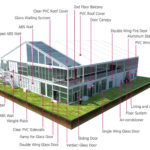
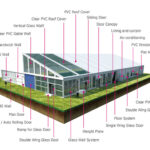
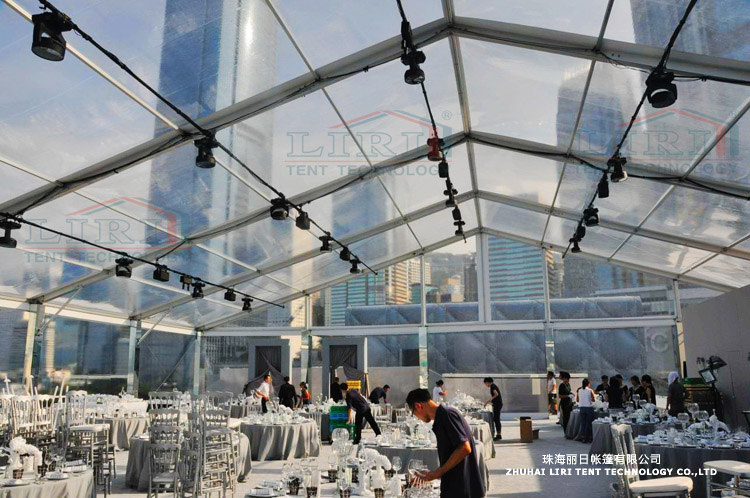
A clear span event tent for a high-end activation is judged on details most buyers never see: flush wall joints, concealed cabling, sealed flooring, and climate control that holds a set temperature through a full day of footfall. Glass walls and glass doors turn a temporary box into a boutique space, while cassette flooring hides cables and gives VIP guests a level, quiet surface. Lighting and power distribution run in the same floor cassettes, so there are no trailing leads across a reception. The frame may be aluminum, but the finish is what the brand’s guests remember, and that finish has to survive being erected and struck dozens of times a year.
Exhibition And Showroom Builds
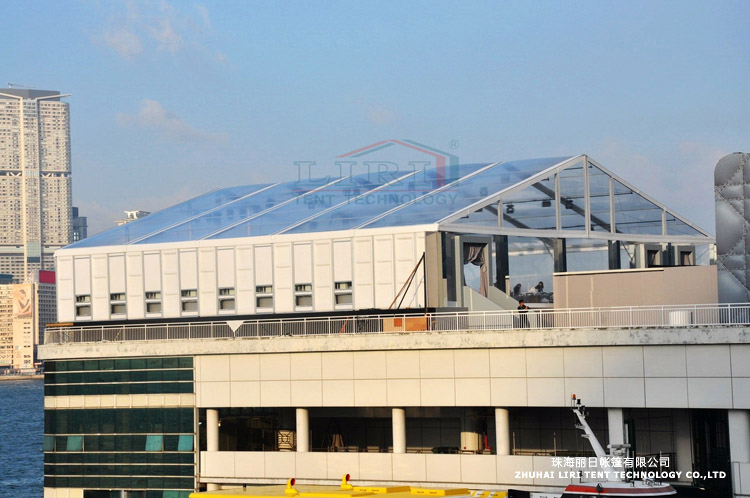
The same structure that hosts a rooftop reception can become a outdoor exhibition marquee wholesale on the trade-show floor. Modular bays let a stand grow from a 30 m² meeting room to a 300 m² experience without changing the frame parts. Brands reuse one inventory across auto shows, fashion weeks, and tech summits, swapping linings, lighting, and graphics rather than buying a new build for each event. That reuse is where the real saving sits, not in the headline price of a single tent. A stand that reuses its frame across five cities recovers its cost fast, while a one-off custom build is written off after a single use.
Finish Standards Buyers Should Specify
Luxury programs should write the finish into the brief before they ask for a quote. Full wall linings in a brand color, a pleated or starlit ceiling, and hidden truss for lighting are the difference between a tent and a venue. Climate control options range from a single spot cooler to a full HVAC plant sized to the guest count and the local climate. Flooring choices — cassette, board, or a raised platform — set the acoustic and the accessibility of the room. A luxury outdoor wedding party tents grade build holds all of these as standard options, so the planner selects rather than negotiates. Getting the brief right up front avoids costly change orders once the structure is on site.
Hospitality, Catering, And VIP Zones
Luxury programs separate guests by tier, and the structure supports that. A-frame catering bays handle service; double-decker units put lounge and viewing decks above the crowd; polygon tents form quiet meeting pods away from the main floor. Each is finished to a standard where the word “temporary” never crosses a guest’s mind. Planners reviewing options can compare large event marquee footprints to match the guest list and the brand’s sightline needs, then split the footprint into service, lounge, and demo zones that flow into one another.
For an outdoor build, the specification sheet should list the roof weight per square metre, the bay span, the eave height, and the rated wind speed, because those numbers decide what the local authority allows and what the site crew can handle. A 20 m clear span with a 5 m eave gives the floor plan of a small ballroom, while a 30 m span changes the truss size, the anchor pattern, and the delivery truck count. The brand team should also confirm the fire rating certificate travels with the structure, since venues re-check it at the door. These are the details a polished event never exposes, and a reliable supplier carries them in a standard pack rather than re-answering them at every stop.
Logistics That Protect The Brand
Worldwide delivery means the supplier handles customs, local permits, and crew training in each market. Structures rated for wind and a fire-retardant PVC canopy keep the program compliant in venues with strict safety codes, from convention centers to public squares. A short site survey and a ground plan are usually enough to stage a launch, and the supplier should confirm the anchor plan matches the surface before the crew books the crane., and the same parts case travels between continents in standard containers, with the crew pack and the rigging sheet loaded alongside it. For teams weighing build-versus-reuse, the guide to buying suitable event tents breaks down lifetime cost against rental for a touring calendar, and it is the document finance teams ask for before they sign, because it shows the total cost of a season.
Frequently Asked Questions
Can one tent serve both a launch and a VIP lounge?
Yes. A clear span frame with modular bays splits into hospitality, demo, and meeting zones using interior walls and linings, so a single structure covers a full brand activation. See the event tent range for bay widths and heights, then map each zone to a bay count.
How do suppliers keep finish consistent across countries?
They ship the same frame, flooring, and lining sets and train local crews to a standard pack, so the glass-wall finish looks identical in every market the brand visits. The crew follows a written rigging sheet rather than improvising on site.
What wind and fire ratings matter for luxury events?
Look for a flame-retardant PVC canopy and a frame certified to local wind-load codes, typically 80–100 km/h. Those ratings keep the build legal in convention centers and outdoor squares alike, and they are the first line of defense on an exposed roof terrace.
→ Browse event tents for your brand program
Send the site details, required size and operating season for a tailored specification.