Event tents for rental companies and venue operators need to work across more than one booking. The buying decision should account for repeat installation, compatible components, transport, storage and the range of layouts the inventory must support. This guide helps commercial operators prepare that brief before choosing a structure.
Start with the Operating Model
- List the event formats the inventory must cover.
- Define the spans, bay lengths and accessories that can be reused together.
- Identify the crews, vehicles, lifting equipment and storage space available.
- Set an inspection and maintenance process between rentals.
- Decide which unusual projects should still be sourced locally rather than added to inventory.
Standardize the Core Inventory
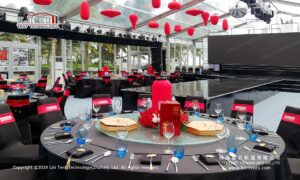
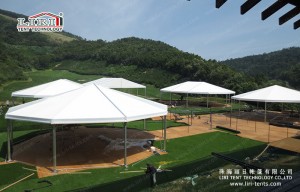
A repeat-use fleet is easier to manage when compatible frames, bays, covers and fittings can be combined into different layouts. A clear span event tent can provide the main venue shell, while smaller structures support entrances, catering, registration and service areas. Standardization reduces sorting time and makes component checks easier before each dispatch.
| Operator priority | Questions to resolve | Useful planning page |
|---|---|---|
| Layout range | Which floor plans, capacities and service zones recur most often? | Size and layout guide |
| Site variation | Which ground conditions and access limits appear across venues? | Engineering overview |
| Large-format work | When is a wider commercial structure required? | Large event tent options |
| Ownership decision | Which components will be reused often enough to own? | Commercial buying guide |
Build Installation and Handover into the Product Choice
Review how the structure is packed, labeled, transported and assembled. Installation drawings, component identification and a documented inspection routine help different crews work consistently. Flooring, walls, doors, linings, lighting allowances and climate-control interfaces should be scoped as operating systems, not last-minute extras.
Buying Inventory Versus Hiring for One Project
Ownership may suit operators with repeat demand and reliable storage, transport and crews. Local rental may be the lower-risk choice for a one-off event, an unfamiliar site or a highly specialized structure. Compare both routes against total operating responsibility rather than the tent price alone.
Commercial Fleet Checklist
- Define the core frame and bay combinations.
- List common wall, door, flooring and entrance packages.
- Create a component labeling and inspection method.
- Plan dry storage for covers and organized storage for fittings.
- Keep project-specific engineering and local approval checks in each job file.
- Set a spare-parts and replacement-cover process with the supplier.
Prepare an Operator-Specific Proposal
Share typical project sizes, event types, transport limits, storage conditions and the accessories already in your fleet.
Compare Structures for a Rental Fleet
Use the event tent product discovery hub to compare structure families before standardizing a rental or venue-operator inventory.
How is the electricity supply in the tent ensured?