An event tent does not feel like a hotel room. The roof and walls decide how bright the space is at ten in the morning, and at eight at night. Light changes what guests see, where they walk, and how displays look in photos.
This guide explains three things that shape it: the roof fabric, the sidewalls, and the lamps hung from the frame. It is for people planning a first exhibition, sports day or outdoor dinner. By the end, you will know what to check on site and what to ask a supplier.
What daylight looks like under a white roof
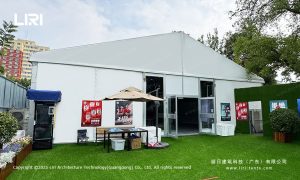
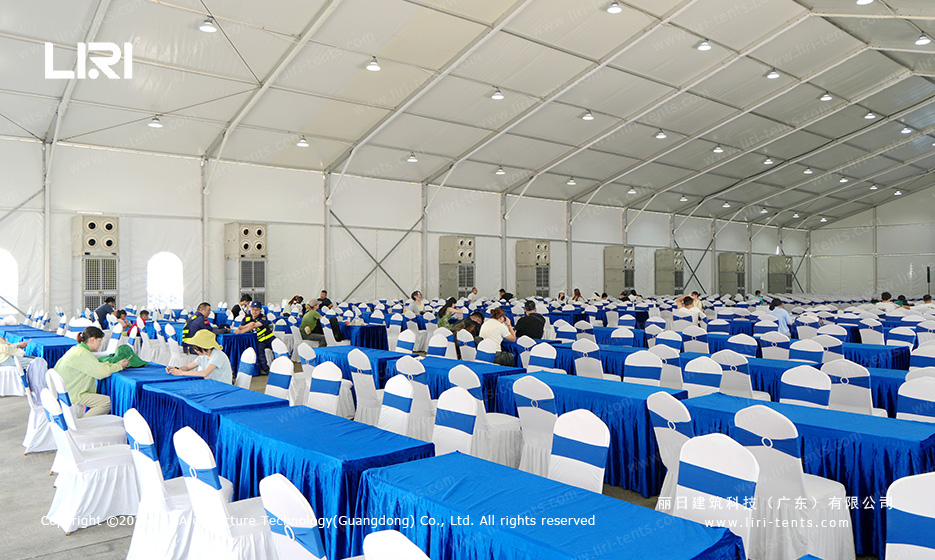
Many large event tents use a white roof made from PVC. PVC is a strong waterproof fabric, and the white surface spreads sunlight instead of letting it fall in one hard beam. The result feels a little like a bright cloudy day. Shadows stay soft, and a printed board looks much the same at the front of the hall as it does at the back.
Picture a trade show that opens at ten on a Saturday. Posters, product samples and a small screen sit along the walls. Under a white roof, visitors can read them without squinting, and a phone camera does not fight a bright square of sun on the floor. That is why many organisers choose a plain white roof for a daytime exhibition, even when the view outside is pleasant.
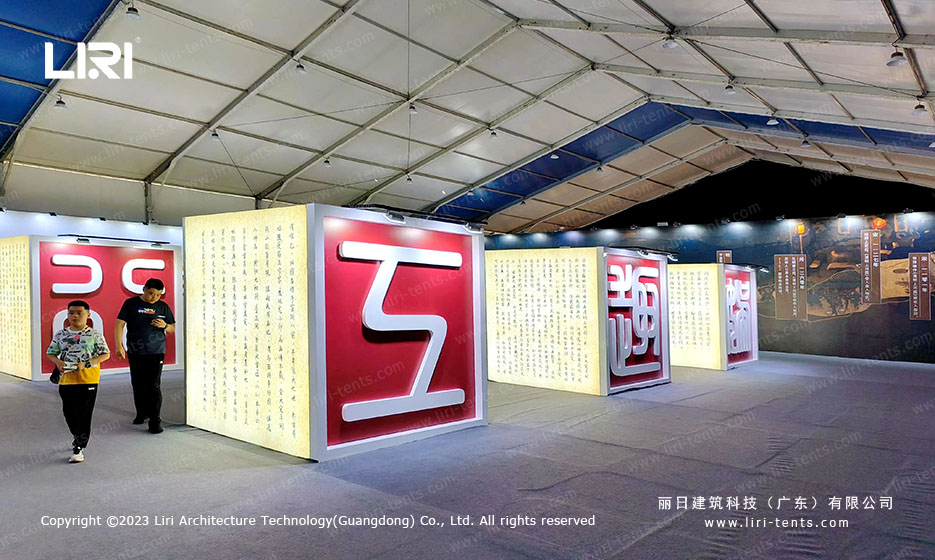
Clear span matters here too. Clear span means the frame has no support poles inside, so light and sight lines travel across the whole floor. A pole in the middle of a hall would cast a long shadow and break up the space. If you want to compare the common choices, our guide to exhibition tent frames and setup explains them in plain words.
One small thing is easy to miss. A white roof gives even light, but it also hides the sky. Guests can lose track of the time after a few hours inside. A clock, a lit sign near the door, or an open entrance helps people feel at ease.
When you want more daylight: glass walls and clear roofs
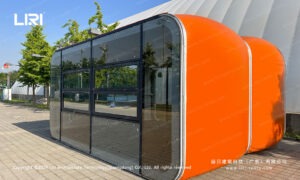
The other choice is to let the outside in. Glass panels, windows in the sidewalls, or a clear section of roof all bring more daylight into the tent. Sidewalls are the panels that close the sides of a tent, and they can be solid white fabric, window panels, or glass. A page on transparent PVC sidewalls shows one version used on a curved event tent.
Imagine an afternoon reception beside a garden. With a long row of glass panels, guests can see the trees, and the room stays bright without every lamp switched on. Photos look open and airy. The same panels bring two things to plan for.
Low sun can fall straight onto a screen or into the eyes of people seated along that side. A clear roof can make the room feel warmer in direct sun. Ask which way the sun crosses your site at the hour your event starts.
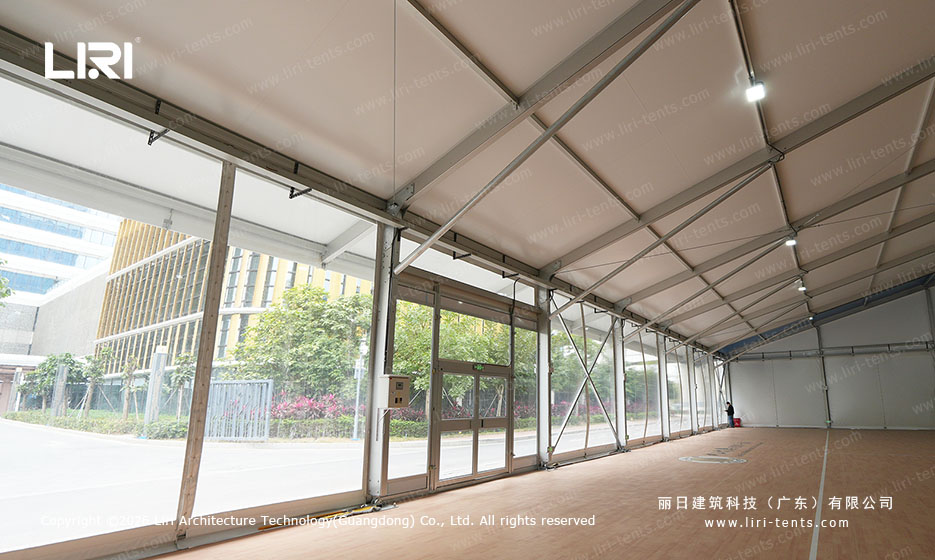
Evening changes the glass again. Once it is dark outside, a clear wall reflects the room back at you, much like a house window at night. Warm indoor lamps then matter more than the view. If your programme runs from an afternoon show into a seated dinner, plan for both halves of the day rather than only the bright one.
After sunset, the lights become the room
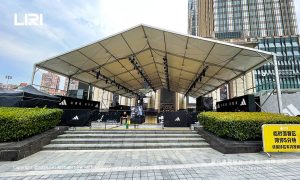
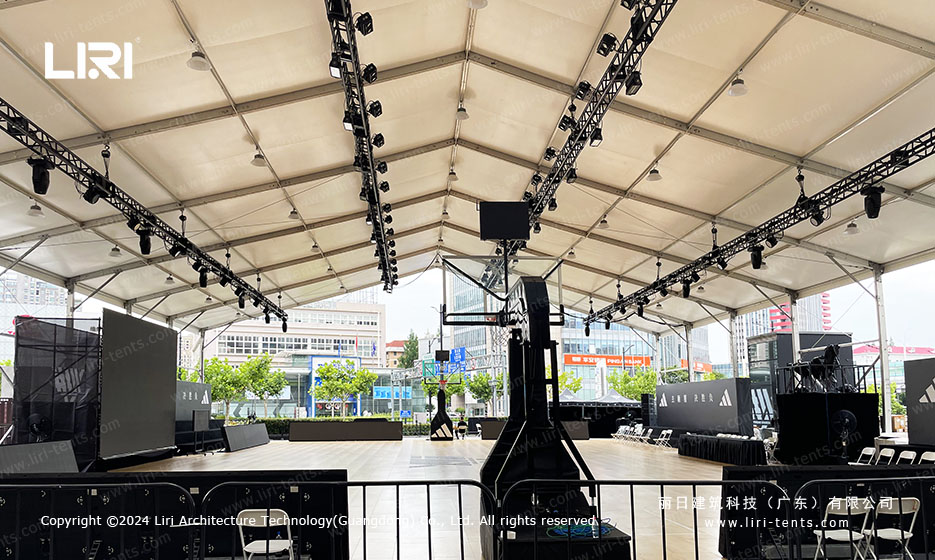
Once the sun drops, the roof stops helping and the lamps do all the work. In a large tent, lights usually hang from a truss, which is a metal beam fixed under the roof frame. Spotlights, soft string lights, or simple pendant lamps can all hang there. The frame carries them, so the floor stays clear for tables and visitors.
Think of a basketball event that runs into the evening. Rows of small spotlights point down at the court, while gentler light covers the seating. A dinner under the same kind of frame might use warm lamps above the tables and a brighter one near the entrance. The idea is the same in both cases: put light where people need to see, and keep it softer where they sit and talk.
Power comes from the site or from a generator supplied for the event. Someone who works with electrics should install and test the lamps and cables. Cables must never cross a walking route where a guest can trip.
Keep the entrance, any steps, and the exit signs easy to see after dark. These are small checks, but they are the ones visitors notice when they leave.
A light show can turn the tent into part of the programme. Our page on an evening light show tent shows how colour and moving light change a themed event. For a normal exhibition or dinner, plain steady light usually serves guests better.
Grey skies, rain and the same space at noon
Weather changes the same room without changing a single panel. On a grey morning, a white roof gives less light than you expect, and a hall that felt bright on Friday can seem dull by lunchtime. Rain darkens the view through glass walls, and wet ground reflects a flat light into the entrance. Turn the lamps on early rather than waiting for guests to say the room feels dim.
Rain brings two practical points. Water makes a hard floor slippery near the door, so a mat and a light above the threshold help people arrive safely. A solid sidewall keeps the weather out but removes the daylight you counted on.
If your event falls in a wet season, plan the lighting for the dullest hour, not the brightest one. Then a sunny day is a pleasant surprise.
A simple test helps. Stand in the tent on a cloudy afternoon, or ask for a photo taken in similar weather. Look at the far corner, the reading height of a display board, and the path to the exit. If all three are easy to see, the room will work on most days.
What to ask before you order
You do not need a technical brief to get this right. Write down a short list and read it through with the supplier before you sign anything.
- What time does my event start and finish, and which hours need lamps?
- Is the roof solid white, part clear, or fully clear?
- Are the sidewalls solid, windowed, or glass, and which way do they face?
- Who provides the lights, where do they hang, and who switches them on?
- Where does the power come from, and are the entrance, steps and exits lit?
- What does the hall look like on a wet, grey afternoon?
None of these questions needs a number or a standard. They are about the hours people will actually spend inside. A supplier who knows the tent can answer them in plain words, and the answers tell you whether the space fits your programme. For more on how these halls are joined and sized, the guide to outdoor exhibition structures is a useful next read.
Light is easy to overlook because it is not a part you order on its own. It comes from the roof you pick, the walls you close, and the lamps someone hangs above the tables. Walk through your event hour by hour, from the first guest at the door to the last one leaving, and the right choices become fairly clear.
Share those hours, your site, and the kind of event with a tent supplier. You can then ask for a layout and a lighting plan that match them before you buy.