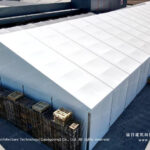
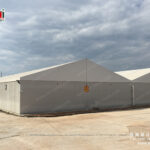
Industrial tent rental covers a much wider brief than weddings and parties. Construction site offices, temporary warehouses, equipment storage, and even emergency response shelters all fall into this category, and each use case places different demands on the structure. Getting the rental right starts with matching the tent type to the job, not to the occasion.
Before requesting quotes, define the load: how much floor area, what floor load rating, whether vehicles need to drive inside, and how long the structure will stand. Those answers point to a specific frame system and fabric grade, and they also determine whether the standard rental fleet has a suitable unit or a custom build is needed.
Matching the Tent Type to the Application
Warehouse and logistics uses call for clear span frames with high eave heights and wide doors, so forklifts and racking fit without wasted space. A large industrial tent for warehouse duty structure rated for snow load and wind load handles a full season outdoors. Construction projects, by contrast, often rent smaller units that move between floors as the building progresses.
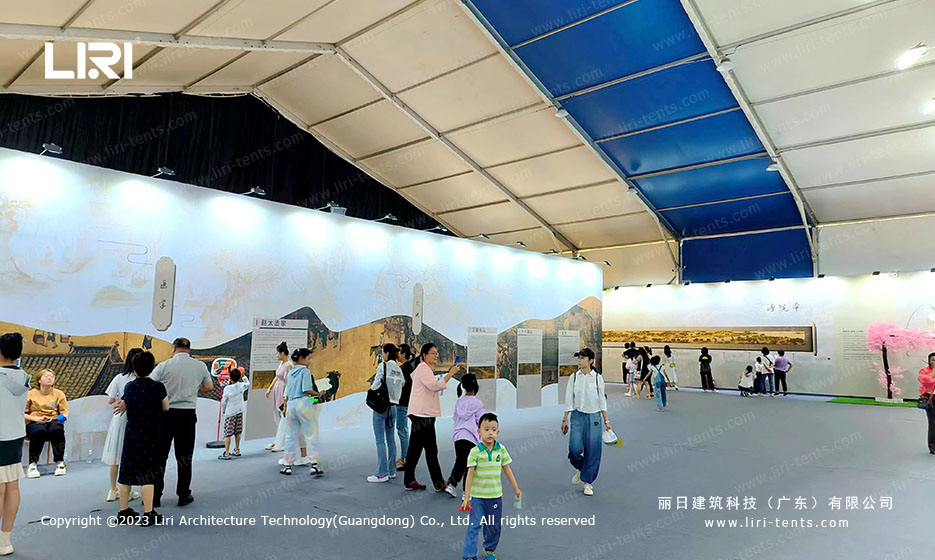
Event and exhibition uses sit at the other end of the spectrum, where appearance matters as much as capacity. The same aluminum frame that stores pallets can be dressed with lining, glass walls, and flooring for a product launch. Buying a rental package that allows the structure to be upgraded between uses is the most flexible way to run a mixed calendar.
Site Preparation and Anchoring
Industrial tents stand on asphalt, concrete, loose ground, or packed soil, and the anchoring method changes with the surface. On hard surfaces, concrete ballast blocks hold the structure down; on soft ground, screw anchors or driven stakes do the job. Foundation requirements are minimal, which is why these shelters can be up and running within days of the site handover.
Wind loading is the number to respect. A clear span structure rated to 100 km/h with proper anchoring covers most operating conditions, but exposed sites near coastlines or open plains may need additional ballast or wind walls. The rental contract should state the rated wind speed and the anchoring configuration, so the site manager knows the limits before the weather turns.
Logistics, Delivery and Dismantling
Rental saves time as well as money because installation and dismantling are handled by the supplier. Crane-lift packages place large spans in position quickly, and rolling beam systems let smaller structures move across a site as work progresses. When erection space is limited, the structure can be assembled in one location and skidded to its final position on the same day.
Lead times are another advantage. A temporary storage tent rental can often be delivered within a few weeks, which helps projects meet deadlines without waiting for a permanent building. For fast-moving operations, that speed converts directly into usable working days, and the tent can be relocated when the work moves to the next site.
Maintenance responsibility sits with the supplier during the rental term. Worn fabric panels, door repairs, and anchor checks are normally covered by the contract, which removes a whole category of work that a construction manager does not want to own. Confirm the response time for site visits, because a small repair that waits a week can idle an entire storage operation.
Buying becomes attractive when the tent is needed beyond a single season. A clear span warehouse tent for sale or a warehouse tent for logistics storage starts to beat repeated rentals after about three uses, and the structure retains resale value. Many operators rent the first job, then buy the same model once the workflow is proven, which spreads the risk while the demand is still unconfirmed.
Contract details deserve a careful read before signing. The rental agreement should state the rated wind and snow loads, the anchoring specification, the delivery and pickup windows, and the liability for damage during the term. A written site survey protects both sides, because tents that arrive on a prepared pad install faster and rarely generate dispute about responsibility for the surface beneath.
Inspection on delivery closes the loop. Walk the structure with the supplier’s crew before accepting it, note any marks or frame damage in the handover document, and photograph the anchor points after setup. A short checklist at this stage prevents arguments at collection time and keeps the deposit conversation simple, which matters more on industrial sites than it does on a wedding lawn.
FAQ: Frequently Asked Questions
How long does an industrial tent rental take to install?
A small unit can be erected in a single day with a crew of three, while a large clear span structure with a crane package takes two to five days depending on the footprint and the site conditions. The supplier includes the crew, so the client only needs to clear the footprint and provide access for the delivery vehicles.
Can industrial tents handle snow and heavy rain?
Yes. The frames are engineered with snow load ratings, typically 75 kg per square meter, and the double PVC fabric is fully waterproof. Drainage channels run along the roof to shed rain, and the anchoring system keeps the structure stable through storms. Confirm the rated loads in the contract if the site is in a snow-prone region.
Are industrial tent rentals available for short periods?
Yes, most suppliers offer terms from a few weeks to a full year. Short-term rates per week are higher, while monthly or seasonal contracts bring the effective cost down. If the project runs longer than planned, extending the rental is usually simpler than dismantling and re-erecting a second unit.
What surfaces can an industrial tent be installed on?
Asphalt, concrete, gravel, loose ground, and packed soil all work. Hard surfaces use ballast weights, soft ground uses anchors, and a steel polygon warehouse tent with silver cover on a prepared pad gives the most level floor for racking and machinery. Check the ground bearing capacity before heavy equipment goes inside.
Send the site details, required size and operating season for a tailored specification.