Automotive event tents cover new car launches, motorsport hospitality and test-drive days. The right structure is sized to the vehicles first, then dressed for the brand. A clear-span build gives column-free floor space so a whole car drives in and sits on show without a post in the way.
A corporate event tent plan follows the same clear-span logic for invited guests.
What structure works for an automotive event?
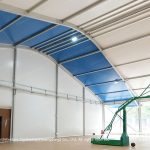
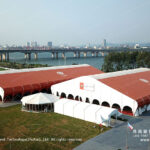
Most car-related events need a clear-span frame tent. The span width sets how many vehicles sit side by side, and the absence of interior columns lets a show car, a demo unit or a pit display sit anywhere on the floor. A China motorsport weekend used one clear-span build for the spectator lounge and pit-lane, serving several automotive event tents zones at once.
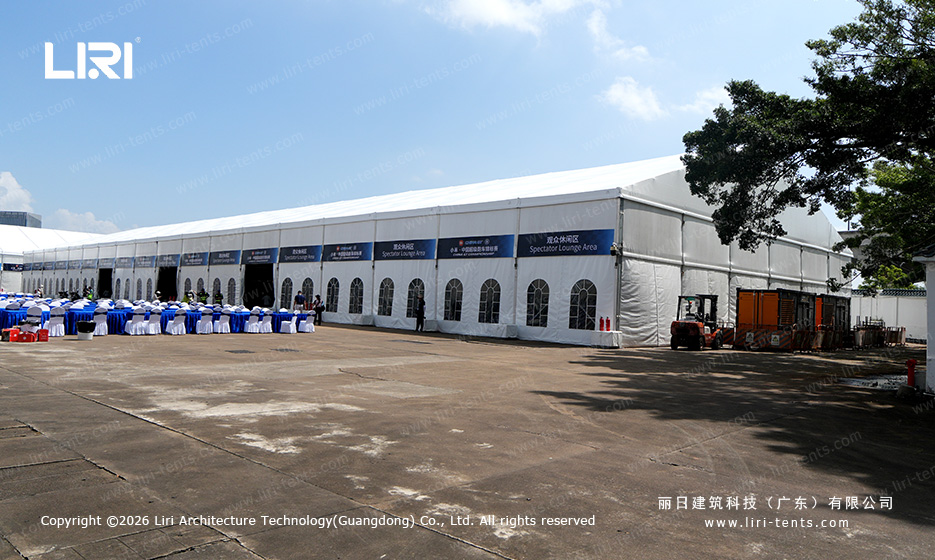
For a single-vehicle launch a smaller bay is enough; for a full show the span grows with the number of exhibits, and the frame reconfigures between a compact reveal and a wide display.
Floor load and ground for whole-car entry
Vehicles are heavy, so the floor plan matters more than the roof. Reinforced ground or a load-rated deck lets cars drive in instead of being lifted. The access door must clear the tallest vehicle with margin, and routing keeps moving cars away from standing guests.
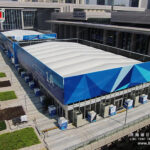
A china gt race track event tent shows how spectator, pit and display areas share one site without crossing paths.
Height, branding and lighting
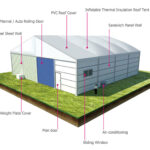
Car launches live on visuals, so extra eave height is worth the upgrade. For automotive event tents the wall is the cheapest branding surface you own, and a glass option turns the interior into a showroom view from outside.
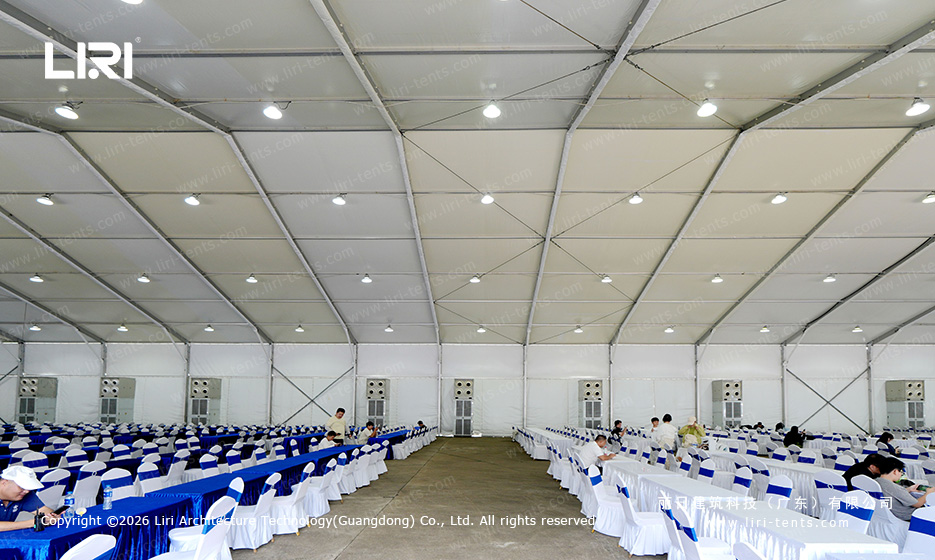
A branded clear span structure for product launch carries printed graphics and entrance signage without extra frames.
Access, movement and layout
Test-drive events add a movement layer static shows lack. Plan a wide, straight entry for vehicles, a display zone with viewing distance, and a separate route back out so cars never reverse through a crowd.
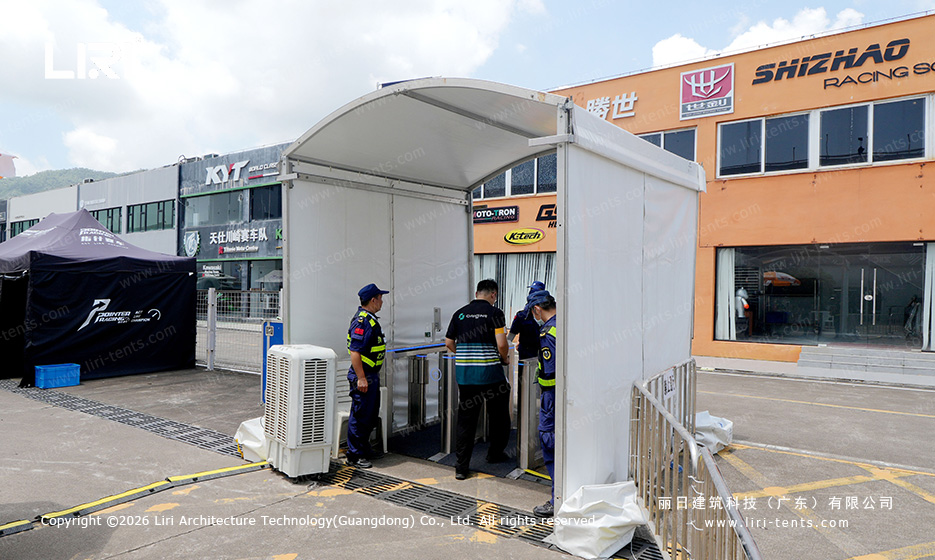
The same principles appear in exhibition tents for sale, where booths, aisles and demo corners share one open floor. The aisle and demo routing also mirrors trade show tent booth planning, where traffic flow drives the layout.
Frequently Asked Questions
What does an automotive event tent cost to own?
Ownership cost depends on size, frame series and finishes such as glass walls or HVAC. A one-off display can share a standard bay, while a touring programme benefits from a repeated-use structure; budget for transport, ground prep and any local engineering sign-off alongside the unit price.
Does a car show tent need a permit for vehicle access?
Often yes, because cars drive onto the site. Local rules may require a temporary vehicle access or a closed-road approval for test-drive lanes, on top of the structure permit; confirm with the venue before you set the date.
How long does a car show tent take to set up?
It varies with crew size, ground preparation and structure size. A single-bay launch with a load-rated drive-in floor goes up in a day; a multi-zone motorsport build needs more days, so book the slot early.
Can these tents handle outdoor conditions through the year?
The frame and PVC fabric are built for weather, but extreme heat, wind or cold change the plan. Add HVAC for summer, ballast and anchoring for wind, and insulated lining for winter; the structure stays, the climate kit changes with the season.