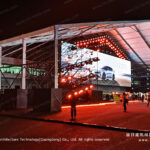
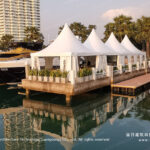
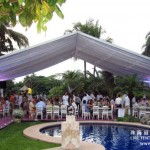
An outdoor event tent is the workhorse of the industry — it covers a market, a party, a match, and a product launch with one modular frame, and it shrugs off weather that would cancel a bare-air plan. Teams specifying the build should start from the outdoor event tents that fit their program rather than buying the first frame they see.
Why Outdoor Events Need A Real Frame
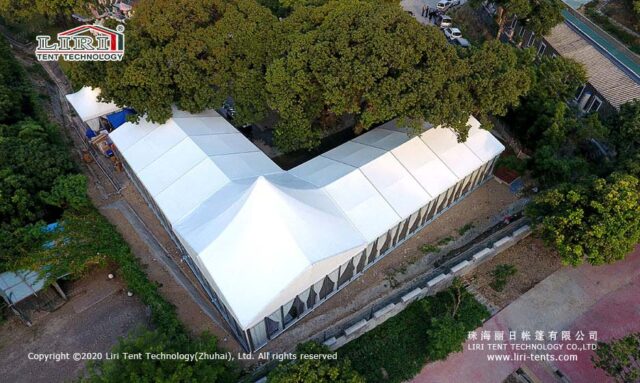
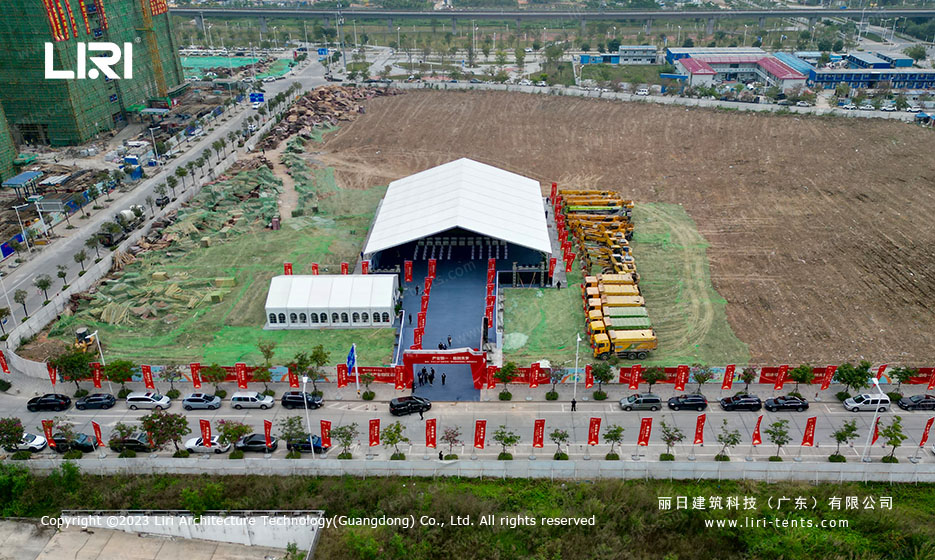
An outdoor event tent with a wind-rated frame and a flame-retardant roof keeps the program running through rain and a stiff breeze. The bay system lets the footprint grow in 3–5 m steps, so a small gathering and a civic crowd use the same parts. Because the interior is frameless, sightlines stay clean from every seat, which matters as much for a concert as for a ceremony.
One Inventory, Many Event Types
A event tents supplier reuses one clear span kit across markets, weddings, and exhibitions by swapping linings and graphics. A wedding drape one weekend becomes a trade-show shell the next, then a festival market after that. That reuse is what keeps a seasonal calendar affordable, because the frame is bought once and dressed many times. For a sense of the range, the clear span event tent ships in widths from 10 m upward to match any brief.
Floors, Walls, And Comfort
Cassette flooring gives guests a level, dry surface and hides power and data underfoot. Glass or ABS walls close a bay for climate control, and a blackout lining turns day into night for a headline set. Sidewalls, mesh panels, and zip doors let you open a bay to the air or close it against the weather as the day shifts. The finish is what guests remember, and at this level it reads as a venue rather than a cover.
Power, Light, And Climate
Cassette flooring hides power and data underfoot, and a small climate plant keeps the room comfortable when the day turns. Uplighting in the event color and a crossed truss for the dance floor complete the venue feel, and a polished floor protects heels across the whole room. Plan the power drops alongside the lighting so the crew runs one tidy loom rather than a floor full of trailing cables, and keep the distribution board off the guest path for safety. A clear plan here is what keeps an outdoor build running after sunset.
From Site Survey To Build
A short survey — ground level, truck access, and local temporary-structure rules — is enough to stage most outdoor events. Plan the footprint from the guest count and the service points, then add bays for circulation so the space never feels cramped. The guide to buying suitable event tents walks through bay count and eave height so the flow works on the day, and it is the document finance asks for before a purchase.
Frequently Asked Questions
What size outdoor event tent do I need?
Plan 1.5–2.5 m² per standing guest and 2–2.5 m² per seated guest with a stage; add bays for the bar and service. See the guide to choosing suitable event tents for width-by-use tables.
Can an outdoor tent handle wind and rain?
Yes, with a sealed PVC roof, guttered bays, and a wind-rated frame. Guy lines and weighted skirts hold it steady, and covered links keep guests dry between marquees.
Is one frame enough for a whole season?
Usually yes. The clear span kit serves weddings, markets, and exhibitions by swapping linings and graphics, so a single inventory covers a varied calendar without a second build.
→ Browse outdoor event tents for your program
Send the site details, required size and operating season for a tailored specification.