Planning an outdoor event is rewarding until the weather changes the plan without warning. Rain, wind, and heat are the three risks that no forecast can fully retire, which is why a tent belongs in every outdoor event plan from the first draft. The structure gives the event a defined space and protects the guests while the program runs.
The planning sequence matters as much as the equipment list. Lock the date, then the venue, then the shelter, and only then start on décor and catering. Working in that order prevents the common mistake of designing a beautiful event that has nowhere to stand when the sky opens.
Choosing the Right Shelter for the Site
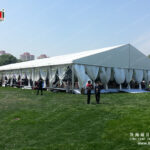
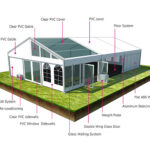
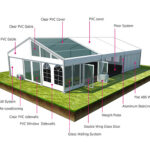
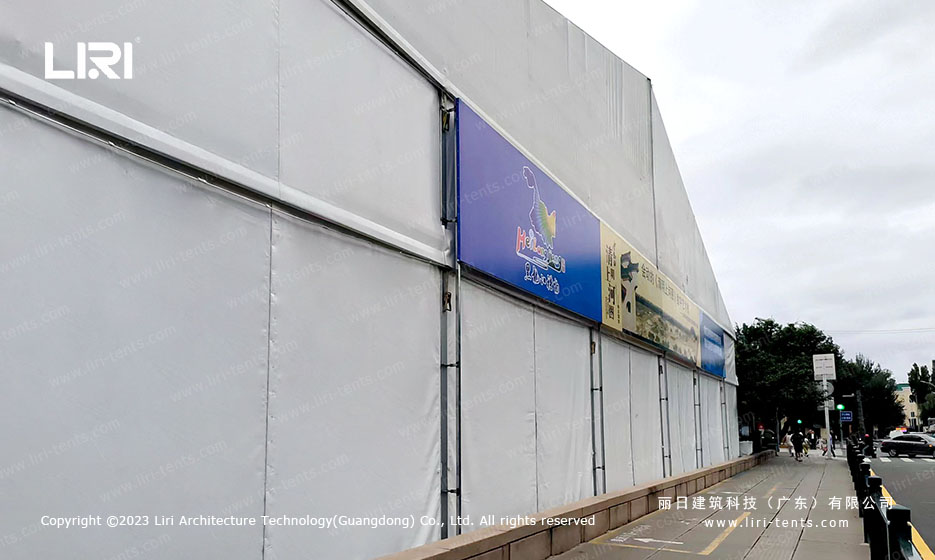
An overcast day with threatening rain needs a fully enclosed tent with side walls, while a sunny event can run open-sided with shade only. A heavy duty event tent for outdoor conference with solid walls keeps presentations audible and screens readable, while an open marquee suits a garden party where the view is the point.
Site conditions decide the anchor method. Grass allows stakes, hard standing needs ballast, and both must be checked against the venue rules before booking. Ask the venue about power points, water access, and catering facilities at the same time, because each one changes the equipment list and the budget.
Lighting, Power and Atmosphere
A tent roof blocks a large share of natural light, so artificial lighting is not optional. Practical lighting keeps the space safe for serving and moving, while accent lighting sets the mood after dark. night light theme event tent setups use uplights, festoon strings, and pin spots to turn a plain shelter into a venue guests photograph.
Power planning runs alongside lighting. Confirm the tent’s power feed, the load of the sound system, catering equipment, and the lights, and add a buffer for phone charging stations. A single 15-amp feed will not run a sound rig, three catering lines, and a hundred phone chargers at once, so the power spec deserves its own line in the plan.
Layout, Capacity and Comfort
Work out the floor plan before the tent size. Seated dinners need 12 to 15 square feet per guest, standing receptions need 8 to 10, and every bar, buffet, and stage adds its own footprint. For a large function, a large festival performance tent gives the crowd room to move while a separate catering tent keeps the service out of the guest area.
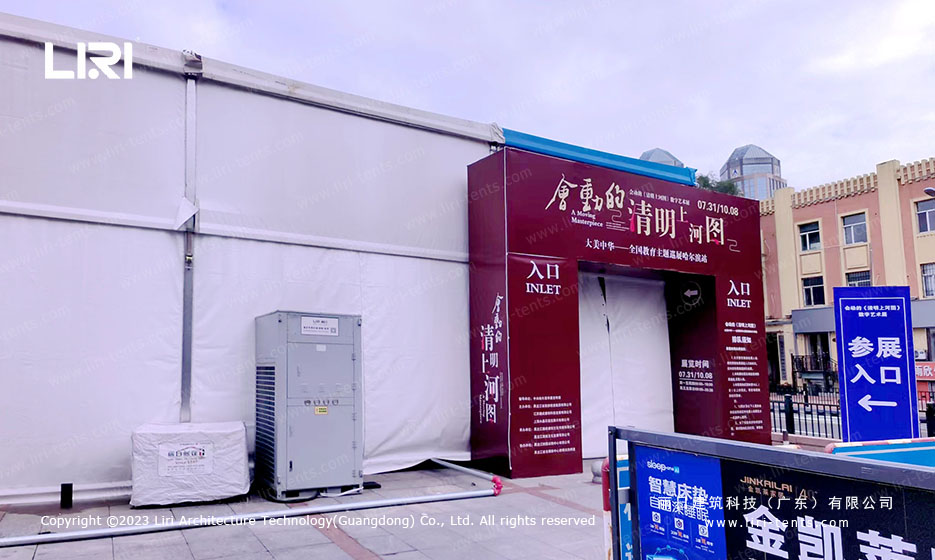
Heating and cooling complete the comfort picture. Portable units handle the load for most events, and insulated linings reduce the swing on hot or cold days. A versatile clear span event tent with climate control turns a summer afternoon event into an all-day program without a midday break for the heat.
Finally, walk the plan from the guest’s perspective. Arrival, cloakroom, seating, bar, restrooms, and exit should flow without bottlenecks. When the layout works, the tent disappears from the guests’ attention and the event carries itself, which is the point of all the planning effort that comes before.
Budget the shelter early in the process. The tent is usually the single largest fixed-cost item after the venue, and locking it first gives every later decision, from the caterer to the décor budget, a number to work against. Planners who book the tent last often find the preferred suppliers already committed to other events on the same date, and they end up paying a premium for whatever stock is left.
A backup plan for the weather is part of the tent decision, not an afterthought. Check the local forecast for the event window and decide in advance what triggers a shift to a fully enclosed layout, where the extra side walls go, and who authorizes the change on the day. Events that settle this question beforehand handle a sudden storm without drama, because every crew member already knows the call.
The site access route deserves the same attention as the tent itself. Confirm the width of the entrance gates, the turning circle for the delivery truck, and any height restrictions on the approach road before the booking is confirmed. A tent that cannot reach the field is a plan that fails on the day, and the fix is a five-minute check at the site visit, not a rescue mission on setup morning.
FAQ: Frequently Asked Questions
How far ahead should tent planning for an outdoor event start?
Book the tent at least four to six weeks out, and longer for peak dates or custom sizes. The venue contract and the tent booking should happen together, because the site survey decides the anchor method, the access route, and the power plan. Early booking also locks the price before peak-season rates apply, and it gives the supplier enough time to confirm the crew and the delivery window rather than fitting the job into an overbooked week.
What size tent do I need for my guest count?
Use 12 to 15 square feet per guest for seated dinners and 8 to 10 for standing receptions, then add 10 to 15 percent for service zones. For a 200-guest seated event, plan for roughly 3000 to 3500 square feet of clear span space, and confirm the number with the supplier’s capacity chart before ordering. When the guest list sits between two standard sizes, always round up rather than down, because the extra perimeter space is what keeps the aisles and the service routes comfortable.
What happens to the event if it rains on the day?
With a fully enclosed tent and side walls, the program runs unchanged. Have a secondary plan for the access paths so guests reach the tent without crossing deep mud, and add matting or temporary flooring at the entrances. Rain becomes a logistics issue, not a cancellation trigger.
Can one tent cover both the ceremony and the reception?
Yes, with a layout change between phases. A outdoor celebration wedding clear span tent can hold the ceremony in theatre rows, then switch to banquet tables for dinner during the cocktail hour. The same structure also works for corporate programs that move from presentations to dinner in one evening.
Send the site details, required size and operating season for a tailored specification.