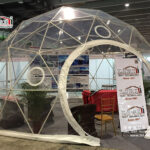
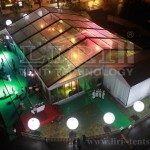
A party tent protects an outdoor event from nasty weather, so the last thing on the host’s mind is the forecast. The same structure covers weddings, graduations, anniversaries, barbeques, birthdays, company picnics, and every other special event on the calendar. The frame is modular, so the footprint grows with the guest list instead of forcing a second delivery, and the cover is fire rated for open flame use. Planners who compare options often read one size party tent before they commit to a footprint.
Why a Party Tent Wins the Outdoor Brief
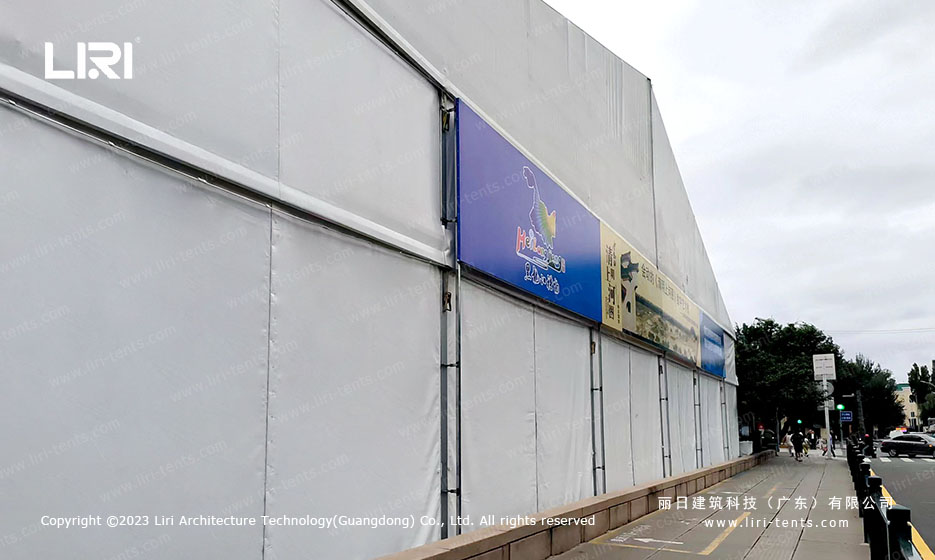
A party tent starts with a certified fire-resistant cover, so the structure is safe around catering flames and approved for most event permits. The modular design links sections with laced seams and snap-down rain flaps, which keeps the roof tight in a shower and quick to reconfigure between bookings. The push pole system stands without heavy machinery, so a small crew raises the frame on site in a working day.
Widths run from 20 feet to over 200 feet, and the modular layout accepts a stage, a buffet, and a dance floor at the same time. The clear span floor stays open of interior posts, so guests move freely and the decor reads as a finished room. A new party tent overview shows how the same bones serve a backyard birthday and a corporate picnic in the same month.
Frame, Cover, and Safety Specs
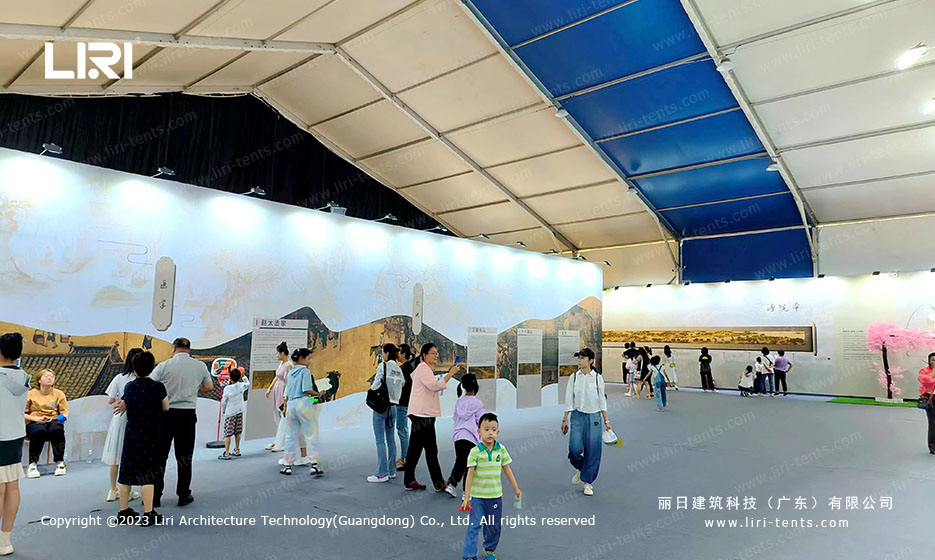
The frame is 6061-T6 aluminum alloy with a 3-4mm wall thickness and a 20-30 year lifespan, and the connectors are hot-dip galvanized steel. The roof and walls use 850gsm double PVC-coated polyester, which is 100% waterproof, UV and tear resistant, and self-cleaning, with a flame-retardant rating to DIN4102 B1 / M2 / CFM. Tough polyester web reinforces the stress points at section bands, hips, and ridge locations, so the cover takes the strain at the corners rather than the seams.
Wind load holds up to 100 km/h with proper anchoring and snow load to 75 kg/m², which covers most climates with a standard site check. A durable fabric storage bag ships with each party tent, so the kit stays dry and ready for the next booking. The cover is field-tested across a full season of setups, which is why rental fleets keep the same model on the truck.
Rental companies value the push pole system because one crew can raise and strike the frame without a crane or a forklift on site. Sections lace together with snap-down rain flaps, and the roof tension stays even across the bay so puddles never pool over the guests. Keep a spare cover panel in the bag for a torn section, and wash off salt spray after a coastal event to protect the PVC coating for the next season.
Replacement parts stay available long after the first season, because the bay system is a shared platform rather than a one-off build. A worn cover re-skins in an afternoon, and a damaged connector swaps out without touching the neighbouring sections. That serviceability is what keeps a rental fleet running back-to-back bookings all summer long.
Party Tent vs Other Event Structures
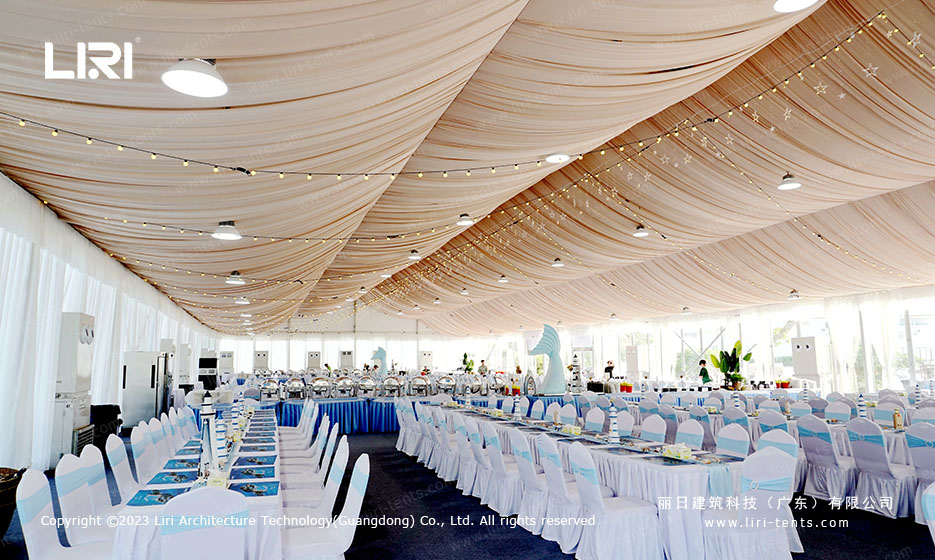
A party tent maximizes a light, portable look, while a clear span hall drops the center line of legs for a wider open floor across the room. A large event tent for outdoor party scales the same idea when the guest list passes a few hundred. When the plan is one relaxed afternoon, the party tent wins on speed; for a week-long trade floor, the clear span wins on span and on wall options.
Cost tracks with wall spec and bay count, so the smart buy spends on glazed fronts where guests enter and saves with solid walls at the rear of the build. The modular kit breaks down to pallets and ships between venues within one season, so the same asset serves more than one booking. A temporary performance space tent shows how far the same frame logic stretches for a stage build.
Access is the hidden variable that decides the build day: a wide gate and level ground let a crew stand the frame in a morning, while a narrow path or a slope adds hours of rigging. Check the turning radius for the delivery truck before the date, and flag overhead wires or tree branches that sit inside the footprint. A base plate spreads the load on paving, and long stakes hold on grass, so the anchor set follows the soil rather than the budget.
FAQ: Frequently Asked Questions About Party Tents
What size party tent do I need?
Match the bay count to the guest list and the seating style: about 150 m² of clear floor seats 100 at round tables with a dance floor. Add 20% for a separate lounge or bar so the space never feels cramped during the evening. Tell the crew the headcount and the floor plan and the right bay count follows from there.
Are party tents fire resistant?
Yes. The cover is certified flame-retardant to DIN4102 B1 / M2 / CFM, so the structure is safe around catering flames and accepted for most event permits. Crews still keep open flames clear of the walls and roof as standard practice. The fire rating is printed on the cover label for inspection on site.
How fast can a party tent be installed?
A standard structure builds in one working day with a small crew, because the push pole system stands without heavy machinery. Crews pre-tag every bay, so the rebuild at a new site follows the original layout without re-engineering the plan. Most suppliers schedule delivery around your access times rather than their own.
Can a party tent handle wind and rain?
Yes. The frame takes wind load up to 100 km/h with proper anchoring, and the lacquered PVC roof sheds rain instead of soaking the floor under the guests. Crews advise dropping sidewalls in gusts above the rated speed, which is the one rule that keeps an event safe through a changeable night. A clear span event tent options guide compares wind-rated builds side by side.
→ Browse Large Event Tents for Outdoor Parties
Send the site details, required size and operating season for a tailored specification.