Choosing the right event tent is less about the biggest frame and more about matching the structure to the guest list, the ground, and the weather. Planners who start from the ten things to consider when buying an event tent avoid the costly mismatch of a tent that is too small, too weak, or too slow to erect.
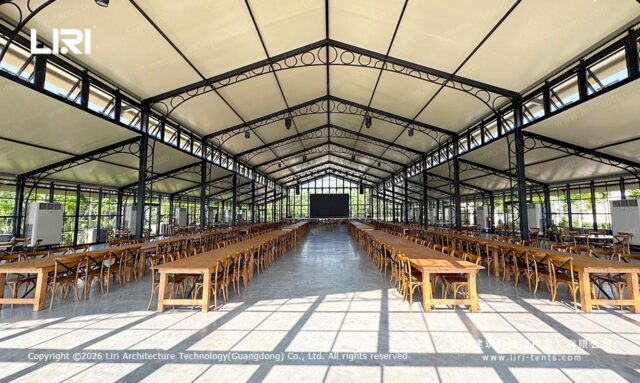
Match The Frame To The Crowd
A clear span event tent scales in 3–5 m bays, so the footprint grows with the headcount. A standing reception needs less floor than a seated banquet, and a banquet with a stage needs more again. Map the guest count to bay width first, then add bays for service, a bar, and circulation so the room never feels cramped at the peak of the party.
Ground, Access, And Erection
Even a well-specified tent fails on a bad site. Check the truck turn, the run from the road to the lawn, and any slope or cable the structure must clear. An event tents supplier should walk the site with you before they quote, because access drives the crew size and the crane, not the frame price. A clear, level site also means a faster erect and a cleaner strike.
Weather And The Right Spec
For an outdoor event tent, the spec is the permit. A flame-retardant PVC roof and a wind-rated frame keep the build legal and the guests dry, and guttered bays move rain away from the entrance. Covered links join marquees so a wet day never forces the program indoors. Choose the rating to the local code and the season, not the lowest-spec option on the sheet.
Buy, Hire, Or Hybrid
Teams that run a few events a year hire; high-frequency planners buy and reuse the inventory. A hybrid — buy the frame, hire the linings — works for brands that want a consistent finish without storing drapes. The event tent rental options let you test a footprint before you commit to a purchase, which de-risks the first buy.
Common Sizing Mistakes
The usual miss is sizing to the seated count and forgetting the stage, the bar, and the circulation. A room that fits the chairs but not the flow feels crowded the moment guests stand. The other miss is under-specifying the frame to save on the quote, then paying for a crane and a crew upgrade when the site proves harder than expected. Plan the footprint from the full program — ceremony, banquet, dance, service — and the first build lands on budget. A large event tent guide shows how bay width maps to each zone, so the couple can see the trade before they sign.
Frequently Asked Questions
What size event tent for 200 guests seated?
A 200-person seated banquet with a stage needs roughly 400–500 m² of clear span, about a 15×30 m marquee. Add bays for the bar and the service door. See the large event tent guide for wider footprints.
How do I know if the site suits a tent?
Walk it with the supplier: check the truck access, the level of the ground, and any obstacle the frame must clear. A clean site means a faster erect and a lower crew cost.
Should I buy or hire my first event tent?
Hire for a one-off or a trial run, buy once you know the footprint you use every season. Renting first shows you the real workflow before capital goes out.
Do I need a permit for an event tent?
Often yes, especially for structures over a set size or on public ground. The supplier handles the wind-load certificate and the rigging plan, but the site owner usually files the permit. Ask early, because approval lead time varies by region and can block a peak-season date.