Large events live or die on the structure that holds them. A concert, a sports final, or a civic ceremony needs a clear span that covers thousands of guests, shields them from weather, and still looks intentional rather than improvised. Planners sizing up the options should start from the things to consider when buying an event tent before they commit to a footprint.
What A Big Event Structure Must Do
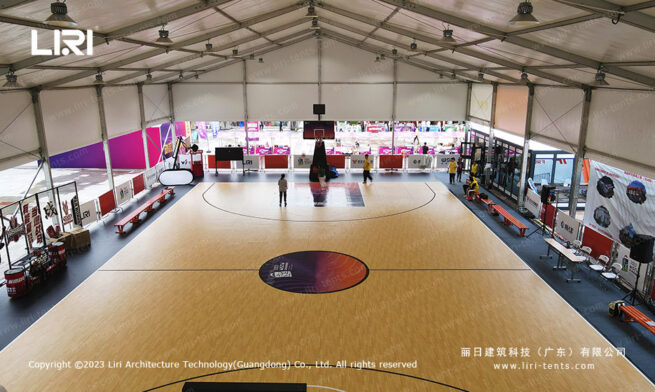
A clear span event tent for a major crowd removes interior poles so sightlines stay clean from every seat. The frame carries roof loads, lighting rigs, and hanging screens without deflection, and the bay system lets the footprint grow in 3–5 m steps to match the guest list. For a sports or concert build, that means the court or stage sits centered with stands wrapped around it, not broken by a column.
Exhibition And Festival Footprints
The same clear span that covers a match becomes an outdoor exhibition marquee wholesale for a trade show or a festival market. Vendor rows, demo stages, and VIP decks all drop into the same bay grid, so a single structure serves a full program. Planners who run both sports and culture events reuse one inventory across the calendar, swapping linings and graphics rather than buying a second build. That reuse is what keeps a big-event budget under control.
Weather Hold And Crowd Safety
A flame-retardant PVC roof and a wind-rated frame are not optional at scale — they are the permit condition. Guttered bays move rain away from the entrance, and covered links keep the queue dry. For an outdoor sporting event tent for sale on an open site, guy lines and weighted skirts hold the structure through a storm that would flatten a lightweight canopy. The crew should walk the site at the same time of day as the event to catch sun, shade, and wind paths before the build.
Site readiness decides how fast the frame goes up and how clean the finish stays. A level pad, a clear truck run, and a crane zone near the centre bay cut the build from days to hours, and they are the first items on the site walk. Crew size follows the span: a 20 m wide structure erects with six to eight riggers and a telehandler, while a 30 m span adds a crane and a second shift. The supplier should also hand over a written inspection sheet covering frame torque, roof tension, and anchor points, because a big crowd puts load on every joint and the insurer asks for that record. Booking the frame early in the season locks the crew and the crane, which is where most big-event delays actually start.
Power, Light, And Production
A big event tent is also a production shell. Power distro runs in the floor cassettes, rigging points in the roof carry screens and speakers, and a blackout lining turns day into night for a headline set. The same points serve a trade show the next week, so the crew trains once and reuses the rig across the calendar. Plan the load with the production company up front, because adding points after the roof is up costs more than building them in. For a touring program, the event tent rental options keep one kit on the road instead of buying a build per market.
From Brief To Build: Sizing And Specifications
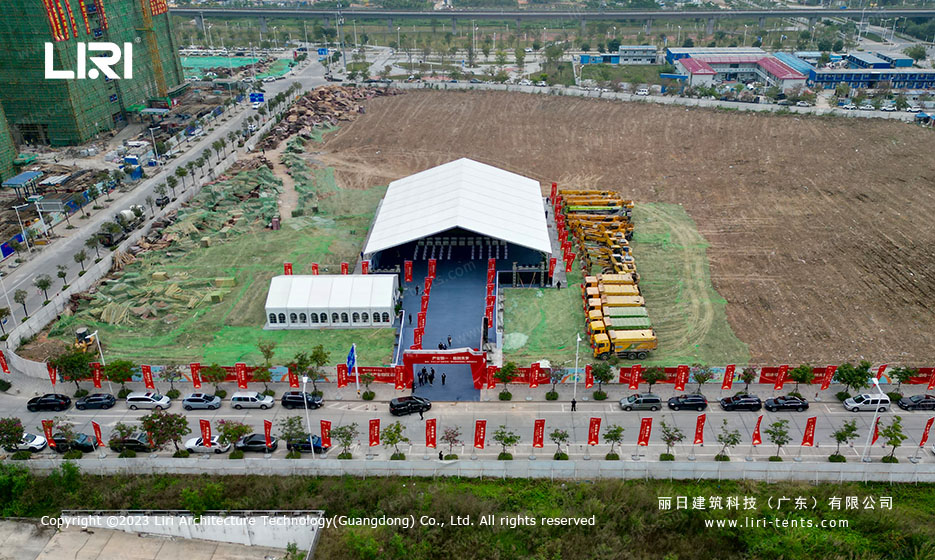
A short survey — ground level, truck access, and local temporary-structure rules — is enough to stage most big events. The guide to choosing suitable event tents walks through bay count, eave height, and door placement so the flow works on the day. Book the frame early in peak season, because the large clear spans are the first kits to sell out, and confirm the lining and flooring kits with it.
Frequently Asked Questions
How big an event tent for 1,000 guests?
A 1,000-person standing crowd needs roughly 1,500–2,000 m² of clear span; seated with a stage, plan 2,000–2,500 m². See the event tent rental options for bay widths that hit those footprints.
What wind rating should a big event tent have?
Look for a frame certified to local codes, typically 80–100 km/h, with a flame-retardant roof. Those numbers are what the venue and the insurer ask for before they sign off.
Can one structure cover both the stage and the stands?
Yes. A modular clear span splits into stage, stand, and service zones using interior walls, so the whole program sits under one roof with clean sightlines throughout.
→ Browse large event tents for your next show
Send the site details, required size and operating season for a tailored specification.